TL;DR
A useful garden tool gift set usually starts with a trowel, hand fork, and pruning shears, then adds practical extras such as well-fitting gloves or a sturdy tote. Match the tools to the gardener’s space and hand strength, check the materials and construction, and remember that a compact set won’t replace large tools such as a spade or watering can.
A garden tool gift set can look like a gardener’s starter kit in one neat bundle, but a dozen shiny pieces won’t help much if the trowel bends in packed soil or the gloves don’t fit. The best gift feels natural in the hand and earns its place beside the back door.

Get garden gear delivered free with Prime
- Fast, free delivery on millions of items
- Prime Video, Amazon Music and more included
- Member-only deals all year
This guide will help you choose a set that suits the person who’ll use it, whether they grow herbs on a sunny balcony, tend a raised bed, or already spend Saturday mornings pruning roses. You’ll learn which tools matter, how to judge materials and comfort, which extras make a difference, and how to care for the kit once the ribbon comes off.
Think of a gift set as a small toolbox for one corner of the garden. It can make everyday jobs easier, but its value comes from the match between the tools and the gardener—not the size of the box.
Start with a trowel, hand fork, and pruning shears suited to the recipient’s plants and hand strength.
Match compact tools and portable storage to balconies and containers; look for sturdier construction for regular work in dense soil.
Compare tool joints, grip, weight, dimensions, and care details instead of judging a set by its piece count.
Choose useful extras such as well-fitting gloves, a tote, or a kneeling pad when they match the gardener’s routine.
Brush off soil, dry tools before storage, and follow the maker’s care instructions for blades.
Start with the three tools most gardeners reach for
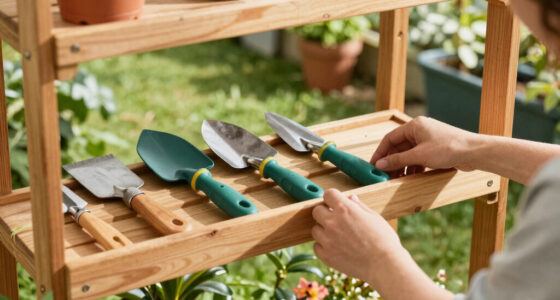
A practical garden tool gift set usually starts with a trowel, hand fork, and pruning shears. Together, they handle common small jobs: planting a pot, loosening soil around seedlings, and trimming stems or small branches within the shears’ capacity. For a beginner, that trio offers a useful introduction without filling a shed with gear.
Imagine your friend planting basil and parsley in window boxes. The trowel scoops potting mix, the fork breaks up a crusted surface, and the shears snip dead leaves before they turn mushy. Those tools see regular use. A set with six specialized gadgets may look generous, yet sit untouched if the recipient doesn’t grow bonsai, roses, or vegetables.
Check the shears’ intended cutting size and how they open and close. A compact pair can suit herbs and light trimming; it may not handle thick woody stems. That limit matters because forcing small shears through a branch can strain the tool and the user’s hand, and may leave a ragged cut. If the recipient has arthritis or smaller hands, a stiff spring or wide grip can turn a useful tool into a frustrating one. The tool should feel controlled, not like a hand workout.
A garden tool gift set is also a starting point, not a whole garden shed. It won’t replace a spade for deep digging, a hoe for broad beds, or a watering can. If your recipient already owns the basics, look for a sturdier replacement for a tool they use often. Think of the trio as a good pocketknife: handy for everyday tasks, but not a substitute for every tool in the workshop.
Popular right now

KitchenAid 5.5 Qt Bowl-Lift Stand Mixer – Porcelain White (KSM55SXXX)

Ninja Mega Kitchen System Blender and Food Processor, 1500W, 72 oz Pitcher, 8-Cup Bowl, Black (BL770)

Breville Barista Express Manual Espresso Machine with Built-In Grinder, Brushed Stainless Steel
As an affiliate, we earn on qualifying purchases.
Match the set to the garden they actually tend
The best garden tool gift set fits the recipient’s space and routine. For balconies, houseplants, and small raised beds, compact tools and easy storage usually matter more than full-size equipment. For dense outdoor soil and regular digging, lightweight miniature tools may feel flimsy or too small. Tool size affects more than convenience: a handle that is too short can make repeated work uncomfortable, while oversized heads may be awkward in small pots.
Picture two gardeners opening the same gift: one tends three tomato pots on a balcony, while the other works a clay-heavy allotment. The balcony gardener will likely value a small trowel, compact pruners, and a carrying tote that tucks under a bench. The allotment gardener may prefer robust tool heads and handles they can grip firmly, though a hand tool set still won’t do the work of a spade. A compact kit saves storage space in the first case; in the second, the same compactness can mean more effort for jobs that need leverage.
Use these clues before buying: where they garden, what they grow, and how often they work outside. A container gardener who mostly pinches basil and repots houseplants may not need heavy-duty shears. Someone tending roses may use pruning tools often, so blade quality and comfortable spring action deserve more attention. Frequency changes the tradeoff: a tool used every weekend needs a dependable grip and joint, while occasional light use may not justify paying extra for features the gardener won’t notice.
- Balcony or containers: favor compact tools, portable storage, and sizes that fit pots.
- Raised beds: look for a comfortable trowel and fork for regular planting and soil work.
- Dense soil or frequent use: inspect the tool joints, head strength, and handle comfort closely.
- Houseplants: small, cleanable tools may be more relevant than a large outdoor set.
That quick match is more useful than a generic “beginner” or “professional” label on the box. A beginner with a big vegetable plot may need sturdier gear than an experienced houseplant grower.
Compare steel and handles before you judge the piece count
Tool materials and fit tell you more about a set’s usefulness than how many pieces the package claims to contain. Stainless steel generally needs less rust prevention, while carbon steel can be strong but should be cleaned and dried after use. Neither label alone guarantees a tool will last; the head, handle, and connection between them all matter. In practice, a strong metal head is only useful if its joint stays secure under pressure and the handle gives the gardener control.
When you shop online, a polished product photo can hide a loose joint or a short handle. Look for dimensions, close-up images, care instructions, and recent buyer feedback that describes how the tools feel after use. “Stainless steel” names a broad material category; it does not promise a tool will never stain or corrode if it stays wet and dirty. Clear details help you judge whether a set’s lower price reflects a simpler finish or missing information about construction.
| What to check | Why it matters | Useful clue |
|---|---|---|
| Tool head and joint | A secure connection helps the tool stay controlled under pressure. | Look for a well-attached head and specific construction details. |
| Steel type | It shapes the care routine and can influence durability. | Stainless generally asks for less rust prevention; dry either type after use. |
| Handle shape and weight | Grip thickness, length, and balance affect comfort. | Check measurements and buyer comments about handling. |
| Pruning blades | Cutting capacity should match the plants and branches. | Read the maker’s guidance and choose a grip the recipient can operate. |
For instance, a gardener with small hands might find a thick, slick handle harder to control than a slimmer contoured one. Poor fit can make accurate work tiring, which may mean the person avoids using the tool altogether. A padded, nonslip grip can help, but it still needs to fit. If you can inspect a set in person, hold the trowel and open and close the shears; online, treat measurements and clear product details as your stand-in for that test.
Choose extras that solve a real gardening problem
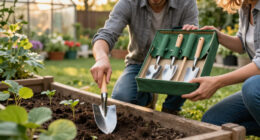
The most useful extras in a garden tool gift set make gardening more comfortable or easier to carry. A tote keeps tools together, gloves protect hands from rough soil and thorny stems, and a kneeling pad can make low beds kinder on knees. These accessories earn their space when they reduce a specific nuisance; decorative accessories may look charming, but practical pieces are more likely to leave the box.
Say your sister tends a narrow courtyard and carries her tools through the kitchen each time she gardens. A sturdy carrying case with pockets can spare her the hunt for missing pruners and keep soil off the floor. If she gardens in raised beds, a kneeling pad might help more than a row of plant labels. Think of the extras like pockets on a jacket: helpful when they fit your routine, dead weight when they don’t.
Check the quality of the add-ons as carefully as the tools. Gloves that are too large can bunch at the fingertips, making small tasks clumsy; that poor fit can erase the protection they were meant to provide. A thin tote may sag under metal tools, and a tiny kneeling pad may not suit the person using it. Sets bundle essential tools, often a trowel and fork, with extras such as gloves, plant labels, a kneeling pad, or a carrying bag—but “included” doesn’t automatically mean useful. When the accessories are low quality, their apparent value can make a set look better than it will feel in everyday use.
Some newer sets highlight recycled or sustainably sourced materials. Those claims and the actual product quality vary by maker, so read what material is used and how it is described. A clear, specific claim is easier to judge than a vague eco label. Consider it alongside expected durability: an accessory made with recycled material is still a poor fit if it falls apart quickly. For a gift, usefulness and sturdy construction still deserve a close look alongside the packaging.
Use this five-step check before you buy
Choose a garden tool gift set by checking the recipient’s needs, the actual tools, and their fit before paying. A short buying routine helps you compare two attractive boxes without getting distracted by piece count or ribbon. Start with the garden, then inspect the gear; each step narrows the choice by connecting what the recipient does to what the set can handle.
- Name the gardening space. Is it a balcony, raised bed, allotment, or collection of houseplants? Space determines whether compact storage and short tools are useful or limiting.
- Pick the jobs they do. Planting, loosening soil, and light pruning call for different tools. Matching tools to recurring jobs is more valuable than buying for an imagined garden they may not have.
- Check what is actually included. Read the full contents list and tool dimensions; product photos can make small items look full-size. This helps prevent surprises such as miniature tools that won’t suit the recipient’s beds.
- Inspect comfort and construction. Look for grip details, tool-head attachment, material descriptions, and relevant feedback. Comfort matters because even a durable tool can go unused if it is tiring to hold.
- Judge the extras and care routine. Keep accessories that solve a real problem, and check how the maker says to clean, store, or maintain each tool. A set that suits the recipient but demands a care routine they won’t follow may need more upkeep than its gift value warrants.
For example, imagine comparing a compact balcony kit with a large “everything” set. The compact one might win if it has the right-size pruners, a useful tote, and sturdy heads; the larger kit might be better if its extra pieces suit the recipient’s established outdoor beds. The number on the package doesn’t settle the question: the useful comparison is whether the tools fit the work and whether their quality supports the expected use.
Cheap sets can be fine for occasional, light jobs. If the recipient gardens often, give extra attention to the joints, handles, blade quality, and any warranty details. That small check can help you avoid a kit that looks ready for work but feels awkward the first time it meets a pot of firm soil. Paying more makes sense when it buys a clear improvement in fit or construction, rather than simply adding pieces.
Give experienced gardeners something they’ll reach for
An experienced gardener can enjoy a garden tool gift set when it adds a useful upgrade, replacement, or specialty tool. Before choosing a complete kit, think about what the person already owns and uses. A duplicate of their favorite trowel may not delight them, but a more comfortable replacement for worn pruners might. Experience often means the recipient already knows which tools suit their work, so a targeted improvement can feel more thoughtful than a broad starter assortment.
Consider a neighbor who has kept the same hand fork for years. Its handle is cracked, and its teeth wobble when it hits a clump of soil. A smaller, carefully chosen set with a solid fork and a pair of well-fitting gloves could be a better present than a glossy bundle full of tools they already have. Replacing a tool that frustrates them can make familiar jobs easier, while extra pieces may only add storage clutter.
You can also tailor the gift to a new interest. Someone starting a balcony herb garden might appreciate compact tools and a portable bag, while a rose grower may care most about comfortable pruning shears suited to the plants they tend. If you’re unsure, a gift receipt or a conversation about their current kit can save a polite smile followed by a forgotten box in the shed.
Children need their own age-appropriate approach. Choose tools sized for the child and suited to their age, and keep sharp pruning tools under adult supervision. For households with children or pets, store sharp tools securely after use; check product labels and any plant-specific guidance if the gift includes plants or related garden products. The safest set is one the family can use and store responsibly, and a manageable tool size can help a child participate without handing them equipment they cannot control.
Keep the tools ready with a two-minute cleanup
A quick cleanup after gardening helps a tool set stay ready for its next job. Brush soil from the heads, dry the metal before storage, and keep blades clean and sharp according to the maker’s instructions. Soil holds moisture against metal, so removing it reduces corrosion risk and keeps grit from interfering with moving parts. For carbon steel in particular, leaving wet soil on the tool invites rust.
Picture a gardener finishing a rainy afternoon of potting. A damp trowel tossed into a closed tote can emerge the next week with dried mud and spots on the metal. A quick brush, wipe, and dry place turns cleanup into a two-minute habit instead of a bigger job later. The same habit makes tools easier to find and ready to use when a short window of good weather arrives.
Pruning blades may need sharpening and occasional lubrication. Follow the manufacturer’s directions for the tool; different designs can call for different care. A clean, sharp blade generally cuts more neatly than a dull one, which can make trimming easier and reduce crushing stems. Store sharp tools where children and pets cannot reach them, and avoid leaving them loose in a bag where a hand might meet a blade.
Stainless steel can still stain or corrode if neglected, so “stainless” doesn’t mean “maintenance-free.” A set that includes clear care instructions is a nice touch, especially for a first-time gardener. Keep the routine simple: clean, dry, store safely, and check blades before the next round of snipping.
Frequently Asked Questions
What should a basic garden tool gift set include?
A trowel, hand fork, and pruning shears make a practical starting set for common planting and light trimming jobs. Gloves or a sturdy tote can be useful additions if they fit the recipient’s habits.
Are garden tool gift sets good for beginner gardeners?
Yes, especially when the tools feel comfortable and suit the person’s garden. A small, useful set can be less confusing than a large bundle of tools they may never use.
Is stainless steel better than carbon steel for garden tools?
Both can work well. Stainless steel generally needs less rust prevention, while carbon steel should be cleaned and dried after use; material labels alone don’t tell you how sturdy or comfortable a tool is.
Are cheap garden tool sets worth buying?
They can suit light or occasional gardening. If the recipient gardens often, inspect the tool-head joints, handle comfort, blade quality, and warranty details before choosing.
What tools work best for balcony or container gardening?
Compact hand tools, small pruning shears, and portable storage often suit pots and balcony beds better than a broad set of full-size tools. Check measurements so the tools can reach comfortably into the containers.
How do you care for a garden tool gift set?
Brush off soil, dry the tools before storing them, and keep pruning blades clean and sharp. Follow the maker’s instructions for lubrication, sharpening, and safe storage.
Conclusion
Choose the garden tool gift set your recipient will actually carry outside: a few sturdy tools that fit their hand, plants, and patch of green. A well-matched trowel, fork, and pair of shears can turn a pot of herbs or a raised bed into a more inviting place to spend an afternoon.
Let the gift earn its place one small job at a time—soil falling from the trowel, a clean snip of basil, and the tools tucked away ready for the next sunny spell.