
TL;DR

Get garden gear delivered free — and shop member deals
- Fast, free delivery on millions of items
- Access to Prime Big Deal Days deals on October 6–7
- Prime Video, Amazon Music and more included
A Homes and Gardens report outlines five October actions recommended by Birdbuddy ornithologist Mary Mack Gray: clean and reliably stock feeders, leave seed heads and some leaf litter, create brush piles, and provide clean water. The advice focuses on food, shelter and water as birds prepare for colder weather and migration; its effects will vary with local conditions.
A Homes and Gardens report has set out five steps for helping backyard birds in October, drawing on advice from Mary Mack Gray, Birdbuddy’s in-house ornithologist. The recommendations address food, shelter and clean water as fall conditions change and some birds migrate or prepare for winter, with more ways to help backyard birds available for the season.
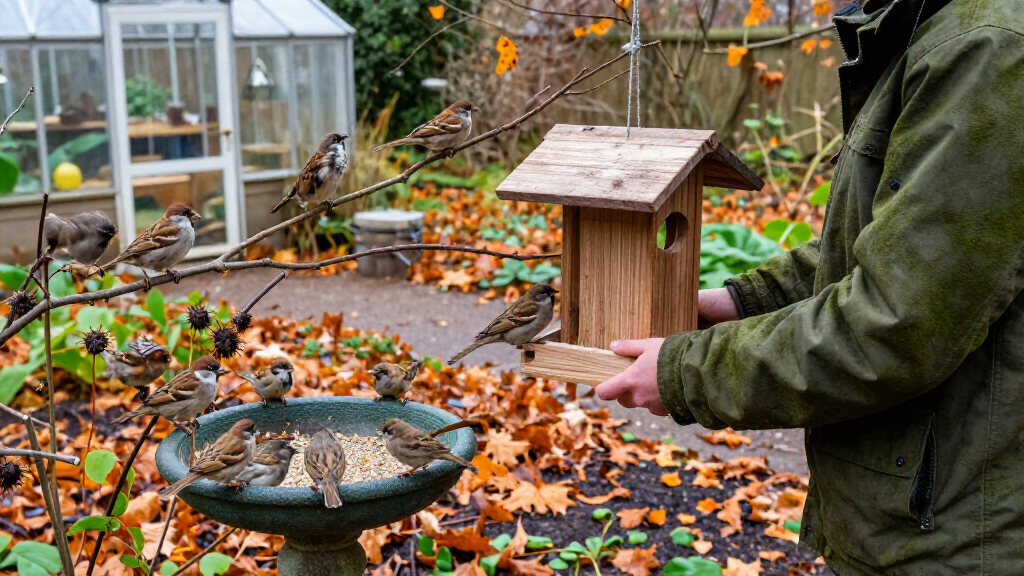
Gray recommends cleaning feeders and keeping them stocked with suitable, high-energy food. The report says wet, mild fall weather can encourage mold and fungal growth in feeders, while spilled food and debris can build up below them. Gray advises moving feeders periodically to reduce that buildup and placing them out of direct sun to help prevent food from spoiling.
For food, Gray points to suet, sunflower hearts and nuts as high-energy options. She says birds may return to dependable food sources in winter after finding them in fall. The report also recommends leaving seed-bearing plants, including coneflowers and black-eyed Susans, to provide food for seed-eating birds rather than cutting them back immediately; these bird-friendly plants can also offer shelter.
The remaining steps are to preserve some leaf litter and brush piles in a quiet part of the yard and maintain a clean water source, such as a bird bath. Gray says leaf litter can provide foraging opportunities for ground-feeding birds, while brush piles offer cover and shelter. Water, she says, can be especially useful for birds moving through during fall migration, alongside other features that make a yard a migrating bird’s pit stop.
Food and Shelter Before Winter
The checklist highlights that supporting birds involves more than putting out seed. Clean feeding equipment can reduce conditions that encourage mold and debris, while dependable food and water give visiting birds resources in the yard. Leaving some plant material and leaves also retains cover and natural foraging areas instead of removing them during fall cleanup.
These suggestions may help make a yard more usable for birds, but the report does not quantify how many birds the practices attract or establish that every yard will see the same results. Species, weather and available habitat differ. The practical point is that modest changes to routine garden maintenance can preserve resources birds may use through fall and winter.
As an affiliate, we earn on qualifying purchases.
Why October Garden Care Changes
In October, gardens are moving out of the growing season, and the report says natural food sources may become scarce. Some birds are also migrating, while resident birds face colder months ahead. Those seasonal changes underpin Gray’s emphasis on food, water and shelter rather than feeding alone.
The advice comes from a gardening article in Homes and Gardens, not a new scientific study or official wildlife advisory. The source identifies Gray as a wildlife biologist with more than a decade of experience in research, conservation and regulation involving endangered and imperiled species, with expertise in avian ecology and habitat management.
“Birds are attracted to reliable sources of high-quality food.”
— Mary Mack Gray, Birdbuddy in-house ornithologist, as quoted by Homes and Gardens
As an affiliate, we earn on qualifying purchases.
Limits of the October Advice
The report does not provide measured results showing how much each step changes bird numbers, nor does it compare the recommendations with other approaches. It also does not specify how often feeders or baths should be cleaned, or give a single maintenance schedule for every climate and feeder type.
The source text ends mid-sentence while discussing a solar bird-bath pump and hummingbird migration. It does not provide further details about that example. The five actions are presented as expert recommendations, but local bird species and conditions can affect which resources are most useful.
As an affiliate, we earn on qualifying purchases.
Practical Steps for This Month
For October, the report’s immediate advice is to clean and refill feeders, use appropriate high-energy foods, leave some seed heads standing, and move fallen leaves or twigs to a quiet area rather than clearing all of them. Gardeners can also check that a bird bath remains clean and has water available.
These are ongoing seasonal tasks, not a scheduled program announced by an organization. Gray’s recommendations point to maintaining food, shelter and water as fall progresses, then continuing suitable feeder and water care into colder months. The source gives no further event, deadline or official follow-up.
As an affiliate, we earn on qualifying purchases.
Key Questions
What are the five October steps for helping backyard birds?
Clean feeders, keep them stocked with suitable food, leave seed heads, preserve some brush piles and leaf litter, and provide clean water.
What foods does Mary Mack Gray recommend?
The report lists suet, sunflower hearts and nuts as high-energy options. Choose food suitable for local birds and keep it in clean feeders.
Why leave leaves and faded flowers in the yard?
Seed heads can provide food for seed-eating birds, while leaf litter and brush piles can offer cover and places to forage. The report suggests keeping some material in a quiet area rather than leaving every lawn covered.
Does the report show that these steps will attract more birds?
No measured results are provided. Gray offers these actions as expert recommendations; the report does not quantify their effects, which may vary by yard, species and local conditions.
Source: rss
Halloween Picks
halloween
As an affiliate, we earn on qualifying purchases.