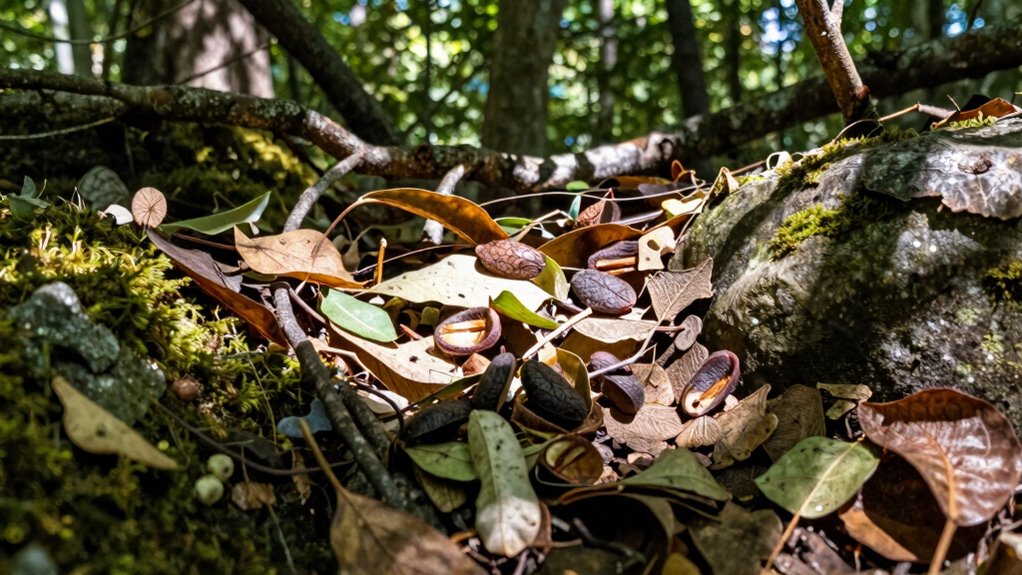

Understanding canopy species helps you identify safe, edible plants and avoid toxic ones when foraging. By observing leaves, bark textures, and overall tree health, you can quickly recognize the trees from the ground. Compound or simple leaves, leaf edges, and bark patterns give clues to tree identity. Healthy trees with vibrant foliage indicate reliable foraging sources. Keep exploring these features, and you’ll gain more confidence in foraging safely and effectively.

Get garden gear delivered free — and shop member deals
- Fast, free delivery on millions of items
- Access to Prime Big Deal Days deals on October 6–7
- Prime Video, Amazon Music and more included
Key Takeaways
- Canopy species influence ground-level plant growth and the presence of edible or toxic species.
- Leaf and bark features from canopy trees help identify and differentiate foraging locations.
- Seasonal changes in canopy foliage signal the availability of certain ground-level edible plants.
- Tree health indicators from canopy and bark clues guide safe foraging practices.
- Recognizing canopy species aids in predicting ecosystem health and the abundance of foraging resources.
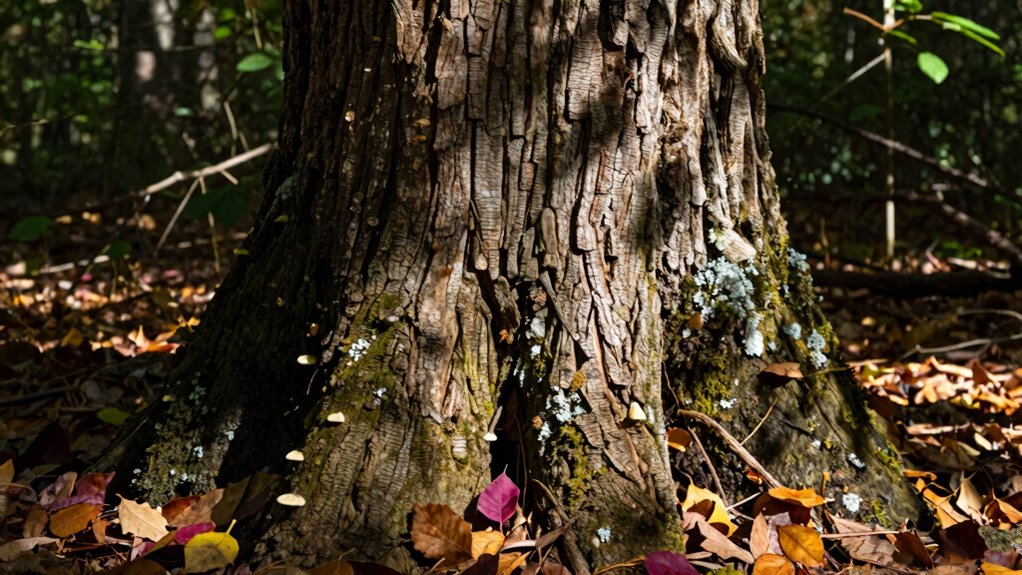
Foliage patterns are one of the most immediate clues you can use. Look closely at the shape, arrangement, and size of leaves. Some trees have compound leaves, like walnuts or hickories, which are made up of multiple leaflets attached to a single stem. Others have simple leaves, such as maples or oaks, with a single blade. The edges of the leaves—whether they’re serrated, lobed, or smooth—also tell you a lot about the tree’s identity. For example, the jagged edges of a sugar maple’s leaves help distinguish it from a similar-looking tree with smoother margins. The way leaves are arranged on the branch—opposite or alternate—further narrows down your options. Recognizing these foliage patterns can point you toward edible species and help you avoid potentially harmful ones. Paying attention to these subtle differences can make a significant difference in safely identifying edible trees and avoiding potentially dangerous ones. Noticing these foliage patterns can also help you understand the tree’s overall health and whether it’s a suitable source for foraging. Additionally, observing the leaf color and condition can provide clues about the tree’s vitality and the presence of pests or diseases. A variety of leaf colors can indicate seasonal changes or stress factors affecting the tree’s health. Recognizing healthy foliage can help you identify thriving trees that are good for foraging. Bark textures are equally revealing. As you examine the tree trunks, pay attention to surface features. Some trees have smooth bark, like beech or cherry, which might be easier to identify. Others have deeply furrowed or ridged bark, such as oaks or hickories. The color variation, from gray to brown or reddish hues, adds another layer of identification. The texture and pattern of the bark often remain consistent even as the tree ages, making it a reliable clue. For example, the rough, flaky bark of a sycamore differs sharply from the smooth, thin bark of a young birch. These bark textures can also hint at the tree’s health and whether it’s a good source for foraging. Noticing these features can also assist in accurate identification, especially when leaves are not readily visible.
foraging guidebook with tree identification
As an affiliate, we earn on qualifying purchases.
As an affiliate, we earn on qualifying purchases.
Frequently Asked Questions
How Do Canopy Species Influence Ground-Level Plant Diversity?
Canopy species influence ground-level plant diversity mainly through leaf morphology and canopy shading. If the canopy has broad, dense leaves, it creates more shade, limiting light and reducing diversity of sun-loving plants. Conversely, species with sparse or narrow leaves let more light through, encouraging a wider variety of ground plants. Your understanding of canopy shading and leaf morphology helps explain how tree species shape the understory ecosystem.
Can Identifying Canopy Species Help Predict Edible Ground Plants?
Yes, identifying canopy species can help predict edible ground plants. Canopy cover influences light, moisture, and soil conditions, shaping ground plant growth. For example, certain canopy species attract birds nesting nearby, which can help disperse seeds of edible plants. Recognizing these canopy clues allows you to anticipate where edible plants might thrive, making foraging more efficient and increasing your chances of finding safe, nutritious wild foods.
What Tools Are Best for Spotting Canopy Species From the Ground?
You can spot canopy species from the ground best using binoculars or a good camera with zoom. Listen for bird calls that identify certain trees, and observe leaf patterns and bark textures to confirm species. Bird calls often indicate specific trees, helping you locate canopy species indirectly. Pay attention to leaf shapes and arrangements, which can reveal the type of tree above, guiding your foraging and identification efforts effectively.
Are Certain Canopy Species Indicators of Specific Soil Types?
Like a secret code in forest ecology, certain canopy species hint at specific soil types. For example, nitrogen-fixing trees often grow on nutrient-poor soils, signaling unique soil health. Recognizing these canopy indicators helps you understand plant succession and forest dynamics. By observing canopy species, you can infer soil conditions, making them valuable clues for foragers and ecologists alike. These trees truly reveal the story of the land beneath your feet.
How Do Seasonal Changes in Canopy Species Affect Ground Foraging?
Seasonal changes in canopy species influence ground foraging by altering canopy shadows and bird nesting activities. As leaves fall or new ones grow, shadows shift, revealing or concealing foraging spots. Bird nesting patterns also change with seasons, affecting insect activity and seed dispersal on the ground. You’ll notice these fluctuations, which help you anticipate food availability and identify ideal foraging times based on canopy dynamics.
As an affiliate, we earn on qualifying purchases.
Conclusion
By paying attention to canopy species, you gain invaluable clues for foraging below. Some might say it’s too complicated or time-consuming, but understanding these tree clues actually makes foraging safer and more successful. Recognizing the connection between trees and ground-level resources helps you identify edible plants and avoid hazards. So, don’t dismiss the canopy’s role—embrace it. This knowledge will deepen your foraging skills, making every outing more rewarding and sustainable.
bark and leaf identification kit
As an affiliate, we earn on qualifying purchases.
As an affiliate, we earn on qualifying purchases.
As an affiliate, we earn on qualifying purchases.
Fall Picks
fall essentials
As an affiliate, we earn on qualifying purchases.