
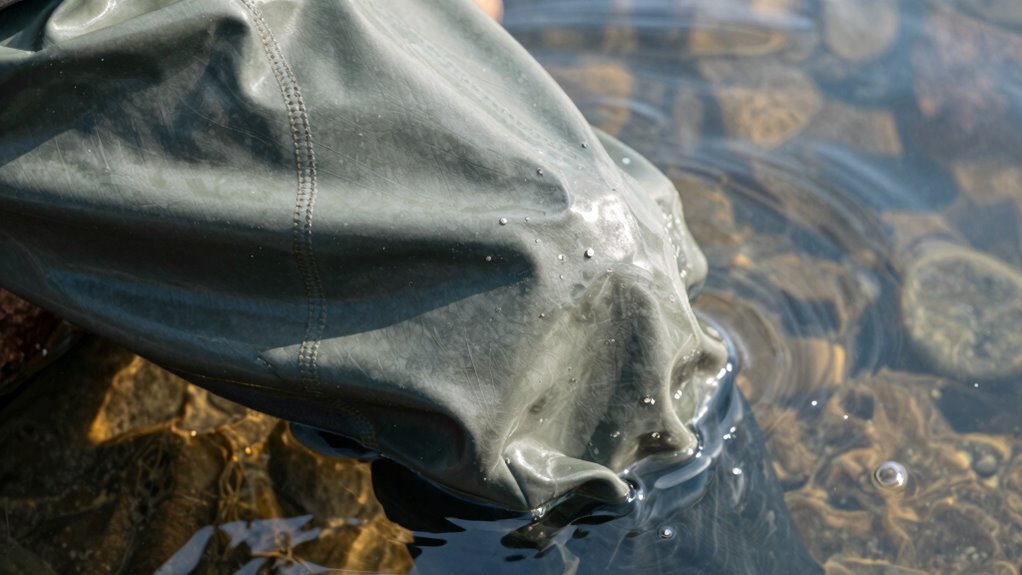
To find tiny pinholes in your waders before a trip, do a hidden leak test by filling a sink or bathtub with water and submerging your waders carefully. Look for air bubbles escaping from small holes or weak spots, especially around seams and stress points. This quick check helps you catch leaks early and apply effective repairs, ensuring your waders stay dry and comfortable. Keep going to discover more tips to keep them leak-free.
Key Takeaways
- Perform a water leak detection by submerging waders and watching for bubbles to identify tiny holes.
- Conduct a thorough visual inspection, focusing on seams, knees, and inner thighs for signs of damage or wear.
- Use waterproof patches or sealants designed for wader materials to repair pinholes promptly.
- Keep repair supplies like tape and seam sealer ready for quick field fixes during trips.
- Detect leaks early to maintain waterproof integrity, prevent water infiltration, and ensure a comfortable fishing experience.
A hidden wader leak can be difficult to detect but is essential to identify before heading out on your next fishing trip. Small pinholes or tiny tears in your waders can lead to discomfort, water infiltration, and even ruin your entire outing. Fortunately, finding these leaks isn’t as complicated as it seems. The key is knowing how to effectively test your waders and understand the importance of waterproof materials and repair techniques. By catching leaks early, you can save yourself from a soggy, frustrating experience on the water.
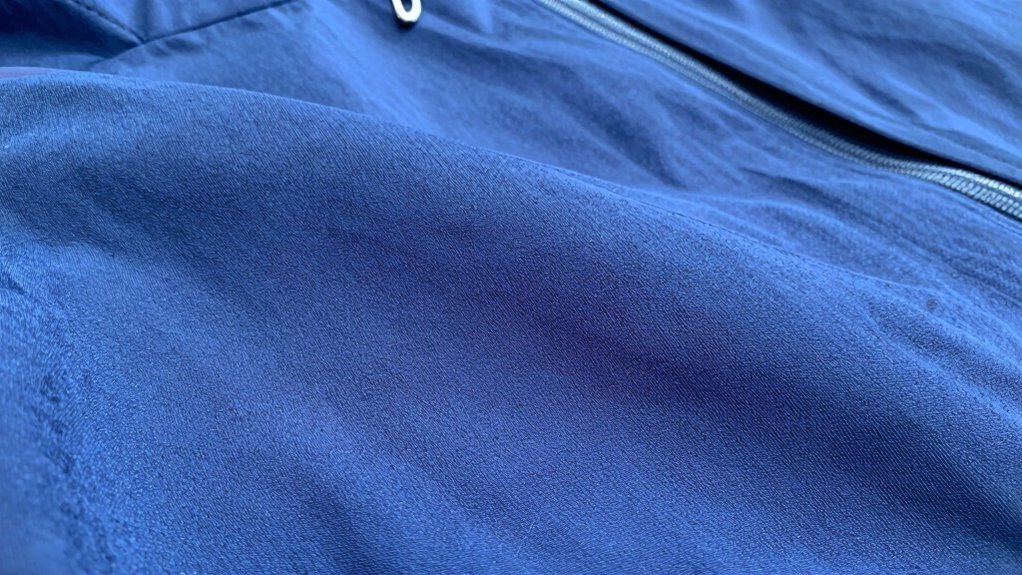
Start by inspecting your waders visually. Look for any obvious signs of damage, such as small tears, holes, or worn spots. Pay particular attention to seams, knees, and inner thighs, where wear is most common. Even if you don’t see anything obvious, don’t stop there. Leaks can be tiny and easily missed. A simple, reliable method involves filling a sink or bathtub with water, then submerging your waders. Carefully press out excess air and slowly lift the waders while observing for air bubbles escaping from tiny holes. This indicates the precise location of leaks. This method works well because it allows you to see leaks that are otherwise invisible when the waders are dry.
Once you’ve identified the leak’s location, you can move to repair techniques. The type of repair depends on the material your waders are made of. Many modern waders are constructed from waterproof materials like neoprene, Gore-Tex, or other breathable fabrics. For small pinholes, a high-quality waterproof patch or sealant designed specifically for waders is your best bet. Clean and dry the area thoroughly before applying the patch or sealant, following the manufacturer’s instructions closely. For tears or larger holes, you might need to use a waterproof tape or adhesive designed for waterproof fabrics. Some repairs might require sewing, especially if the tear is along a seam or a structural stress point, but always reinforce the area with a waterproof patch afterward.
In addition, it’s wise to keep some repair supplies handy—such as waterproof tape, seam sealer, and patches—so you can quickly fix leaks in the field if needed. Proper repair techniques ensure your waders remain waterproof and durable, extending their lifespan and keeping you dry. Remember, the goal is to restore the integrity of the waterproof materials without compromising breathability or flexibility. With a little patience and the right tools, you can confidently identify and fix pinholes before they turn your fishing trip into a soggy disappointment. Detecting leaks early and knowing how to repair them keeps you comfortable and dry, ready to focus on the catch rather than the water seeping in.
Frequently Asked Questions
How Often Should I Perform the Leak Test?
You should perform the leak test regularly, ideally before each fishing trip or after any wader maintenance. This helps catch pinholes early, ensuring your waterproofing techniques stay effective. Conduct the test at least once every few months if you use your waders frequently, and always check after cleaning or repairs. Staying proactive prevents surprises and keeps your waders fully waterproof, so you stay dry and comfortable on your adventures.
What Are the Signs of a Hidden Leak?
You notice damp patches or water spots on your waterproof materials, even when it hasn’t rained. You might feel a sudden chill or dampness inside your waders, hinting at a hidden leak. Small, persistent drips or a decrease in insulation effectiveness also signal it’s time for leak prevention checks. These signs reveal tiny pinholes that compromise waterproofing, so spotting them early keeps your gear reliable and your trip worry-free.
Can I Repair Pinholes Myself?
Yes, you can DIY repairs for pinholes in your waders. Start with leak patching kits designed specifically for waterproof gear. Clean the area thoroughly, then apply the patch according to the instructions. Make sure the patch is secure and fully sealed to prevent further leaks. With careful leak patching, you’ll restore your waders’ waterproof integrity, saving you from costly replacements and ensuring you’re ready for your next adventure.
Are There Alternative Leak Detection Methods?
Think of leak detection like hunting for hidden treasure—you need the right tools. Yes, there are alternative methods, like using UV dye or soap solutions, which can reveal leaks without fancy equipment. These methods are effective for pinpointing pinholes in waders or gear. So, if you want to avoid surprises on your trip, explore these alternatives—they’re simple, affordable, and can save your adventure.
What Types of Waders Are Compatible With This Test?
You can perform the test on most waders, but check the material first. Neoprene, nylon, and other waterproof fabrics work well, as long as the wader’s seams and materials are compatible with the test method. Compatibility considerations include ensuring the test solution won’t damage the wader material and that the material’s surface allows for proper detection of leaks. Always read manufacturer guidelines for best results.
Conclusion
By mastering the hidden wader leak test, you become a vigilant guardian of your adventure, spotting tiny pinholes like a lighthouse piercing through fog. Think of your waders as a shield, protecting your journey’s integrity. When you catch those leaks early, you’re not just fixing fabric — you’re sealing your path to endless rivers and pristine streams. Trust this test as your secret weapon, ensuring your trip remains smooth, dry, and full of adventure’s promise.