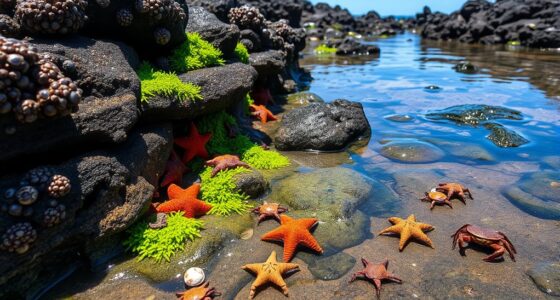
The moon controls the tides, affecting when and how you can harvest coastal resources. During new and full moons, the gravitational pull causes higher tides, making some species harder to reach, while low tides expose shells and marine life for harvesting. By tracking lunar cycles, you can time your activities for maximum success and sustainability. If you keep exploring, you’ll discover even more ways the moon influences coastal life and your harvests.

Get garden gear delivered free — and shop member deals
- Fast, free delivery on millions of items
- Access to Prime Big Deal Days deals on October 6–7
- Prime Video, Amazon Music and more included
Key Takeaways
- Lunar phases regulate tidal patterns, affecting the timing and accessibility of coastal harvesting opportunities.
- High tides during full and new moons cover intertidal zones, limiting harvestable resources.
- Low tides expose shellfish and marine invertebrates, optimizing harvesting windows aligned with lunar cycles.
- Nocturnal marine wildlife activity peaks during certain lunar phases, guiding sustainable collection practices.
- Understanding lunar influence helps communities plan harvesting activities and protect coastal ecosystems.

Have you ever noticed how the moon seems to take charge of the beach at night? Its influence extends far beyond just lighting up the shoreline; it actively shapes the rhythm of the coast through tide patterns and the behaviors of nocturnal wildlife. As the moon waxes and wanes, it pulls on the Earth’s waters, creating high and low tides that dictate when and where you can harvest certain coastal resources. These tidal shifts are not random—they follow a predictable lunar cycle, with the highest tides occurring during full and new moons when the moon and sun align. This cycle impacts everything from fishing to shellfish collection, meaning you need to stay attuned to the lunar calendar if you want to maximize your coastal harvests.
The moon’s pull shapes tides and wildlife, guiding your coastal harvests with natural, predictable rhythms.
The changing tide patterns influence the accessibility of intertidal zones, where many valuable species thrive. During high tide, the water covers the rocks and sand flats, making some shellfish and marine invertebrates harder to reach. When the tide drops, these creatures become exposed, offering you a prime opportunity for harvest. If you fail to time your efforts with the lunar cycle, you might miss out on the best moments for collecting clams, crabs, or seaweeds. The moon’s pull doesn’t just affect the water level; it also affects the behavior of nocturnal wildlife. Creatures like crabs and certain fish species have adapted their activity to the tides, often emerging during specific phases when food is easiest to find or predators are less active.
You’ll notice that the nocturnal wildlife on the beach is most active during particular tide phases, especially around the new and full moons. During these times, the increased water movement stirs up nutrients and food sources, encouraging animals to forage and hunt. This heightened activity makes it easier for you to observe and collect these creatures, but it also means you must be prepared to work during the night and in variable conditions. The lunar influence on tide patterns and nocturnal wildlife creates a dynamic environment that demands your awareness and planning. By understanding these natural cycles, you can align your coastal activities with the moon’s rhythm, ensuring more successful harvests and a deeper connection to the natural world running the beach at night.
Recognizing the lunar cycle and its effects can help promote sustainable harvesting practices by preventing overexploitation during critical periods. Understanding how tidal patterns fluctuate with the lunar phases allows for more responsible and environmentally conscious collection methods. Being aware of these environmental cues can further enhance your ability to sustainably harvest and preserve coastal ecosystems. Additionally, observing the behavioral changes of marine creatures in response to lunar phases can deepen your appreciation for the interconnectedness of the coastal environment. For instance, the timing of certain activities can be optimized by paying attention to natural indicators such as animal behaviors and tide movements. In essence, the moon isn’t just a distant satellite; it’s a vital force that orchestrates the ebb and flow of the coast, guiding both the environment and your efforts to harvest its bounty.
lunar tide calendar for coastal harvesting
As an affiliate, we earn on qualifying purchases.
As an affiliate, we earn on qualifying purchases.
Frequently Asked Questions
How Do Lunar Cycles Affect Marine Animal Migration?
Lunar cycles influence marine animal migration by affecting moon tides, which guide many species during their journeys. You’ll notice animals like whales and sea turtles often time their movements with these tides, using them for marine navigation. The strong or weak tide flows created by the moon help animals find food, breeding grounds, and safe passages. So, lunar cycles are essential for coordinating the natural migration patterns across the ocean.
Can Lunar Phases Influence Coastal Weather Patterns?
Ever wondered if lunar myths influence coastal weather? Yes, lunar phases can subtly impact weather patterns along the coast, affecting tides, humidity, and wind. Beach folklore often links the moon to changes in weather, and science suggests that gravitational pulls during different lunar phases can influence atmospheric conditions. So, next time you notice unusual weather, consider how the moon’s cycle might be quietly shaping your coastal environment.
Are There Specific Crops That Benefit From Lunar Planting?
Yes, certain crops benefit from lunar planting, especially through lunar gardening practices. You can optimize your planting schedules by aligning seed planting and transplanting with specific lunar phases, like the new or full moon. Root crops, leafy greens, and flowering plants often thrive when sown during favorable lunar phases. By following these planting schedules, you enhance growth, improve yields, and foster healthier plants, all guided by the moon’s influence.
How Do Fishermen Use Lunar Phases to Optimize Catches?
You use lunar phases by timing your fishing trips during new and full moons, when tidal folklore suggests stronger tides bring in more fish. Many fishermen follow Moon rituals, believing the moon’s power influences fish behavior. By aligning your efforts with these lunar cycles, you increase your chances of success. Respect the moon’s influence, and you’ll find your catches become more plentiful, making your fishing more fruitful and satisfying.
Do Lunar Cycles Impact Tidal Energy Production?
Yes, lunar cycles considerably impact tidal energy production. As the moon influences tidal power, you’ll find that during new and full moons, lunar energy peaks, creating stronger tides. These high tides enhance tidal power generation, while during quarter moons, weaker tides reduce energy output. You can harness this natural rhythm, aligning tidal power projects with lunar phases to optimize efficiency and maximize the potential of tidal energy.
As an affiliate, we earn on qualifying purchases.
Conclusion
So, now you see how the moon’s phases truly steer coastal harvests, influencing tides and planting cycles. Ignoring these lunar cues is like sailing against the tide—you’ll struggle and miss out. Embrace the moon’s rhythm, and you’ll find your harvests thriving, your work more in tune with nature’s flow. After all, if you want to stay ahead of the game, you’d better understand the moon’s dance—because it’s the boss when it comes to coastal yields.
marine wildlife observation flashlight
As an affiliate, we earn on qualifying purchases.
As an affiliate, we earn on qualifying purchases.
As an affiliate, we earn on qualifying purchases.
Halloween Picks
halloween
As an affiliate, we earn on qualifying purchases.