TL;DR

Get garden gear delivered free — and shop member deals
- Fast, free delivery on millions of items
- Access to Prime Big Deal Days deals on October 6–7
- Prime Video, Amazon Music and more included
A Country Living gardening report identifies rosemary, lavender, geraniums, fuchsia, basil, mint and coleus as plants that can be propagated from fall cuttings. Some root in water, while woody and semi-woody stems generally need a well-draining growing mix and rooting hormone; success and timing depend on conditions.
Country Living has outlined seven garden plants that gardeners can try to propagate from fall cuttings, offering a way to grow additional rosemary, lavender, geraniums, fuchsia, basil, mint and coleus from existing plants. The report says some cuttings can root in water, while others need a growing mix, and advises waiting until the threat of frost has passed before planting rooted cuttings outdoors.
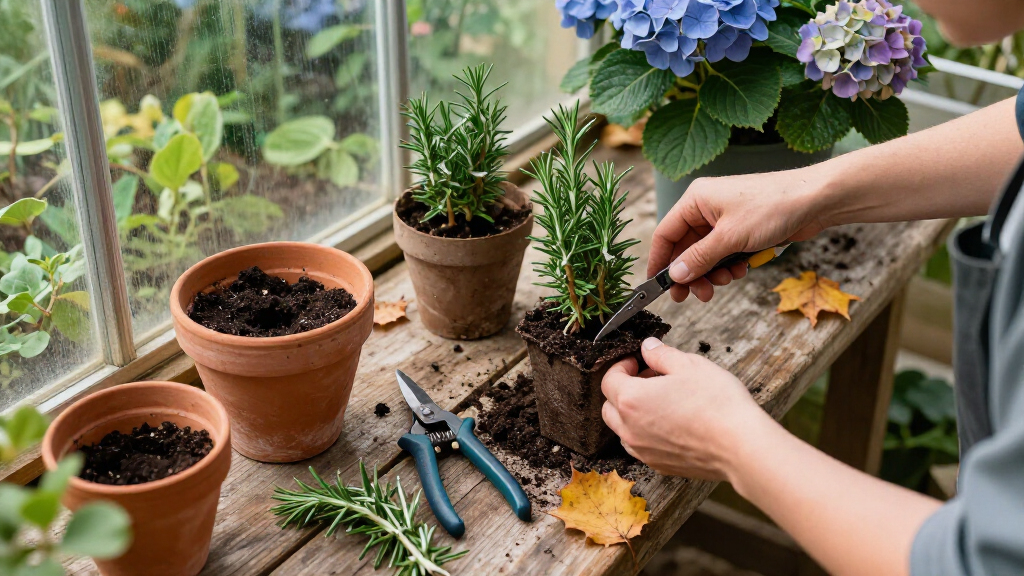
The list divides the plants by propagation method. The report recommends rooting rosemary, lavender, geraniums and fuchsia in growing mix, using short, nonflowering stems. Remove leaves from the lower part of each cutting, apply rooting hormone to the cut end, and set the stem into a hole in the mix. Covering the pot temporarily with a clear cover can help maintain a moist environment, according to the instructions.
For the soil method, the report advises using a well-draining growing mix rather than dense potting soil. It describes an example mix of 80% perlite and 20% other materials, such as sand or compost. Water the cuttings, remove the cover after about a week, and keep watering consistently. After a few weeks, gentle resistance when a stem is tugged can indicate that roots have formed, the report says.
Basil, mint and coleus are listed as water-propagation candidates. Place a stem in a jar of water after removing leaves that would sit below the waterline. Once roots have formed, move the cutting into a container of potting mix, keep the soil moist, and place it near bright light. The report recommends planting the young plants outside only after frost risk has passed; in colder climates, it advises keeping soil-rooted cuttings indoors in bright, indirect light.
A Low-Cost Way to Add Plants
For gardeners who want to carry favorite plants into another season, cuttings can provide a low-cost alternative to buying new plants. The method starts with stems from plants already growing in a garden or container, although rooting success is not guaranteed and depends on the plant and care conditions.
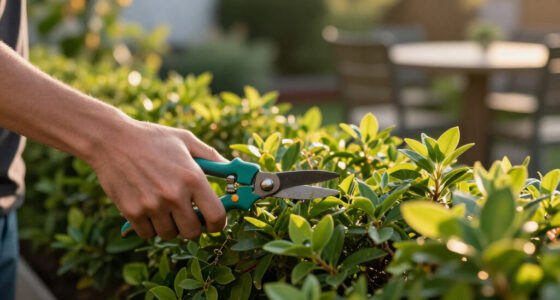
The advice also gives gardeners a practical use for stems trimmed during fall cleanup. Instead of discarding every cutting, they can try rooting selected ones indoors and keep them protected until outdoor planting is appropriate. This may help preserve familiar varieties, but it is not a promise that every cutting will take root or survive winter.
garden plant propagation rooting hormone
As an affiliate, we earn on qualifying purchases.
As an affiliate, we earn on qualifying purchases.
Two Methods for Fall Cuttings
Propagation means growing a new plant from part of an existing one. In the Country Living report, Master Gardener Rhonda Fleming Hayes, author of Garden for Life: Strategies for Easier, Greener, More Joyful Gardening as We Age and the Substack The Garden Buzz, recommends considering cuttings while gardens are being prepared for winter.
The source distinguishes between plants with woody or semi-woody stems, for which it describes a soil-based process, and softer stems such as basil, mint and coleus, which it says can root in water. It presents these as general instructions, not a guarantee or a substitute for advice tailored to local climate, plant variety or growing conditions.
“The garden may be winding down, but now’s the time to think about taking cuttings.”
— Rhonda Fleming Hayes, master gardener
As an affiliate, we earn on qualifying purchases.
Rooting Results Vary by Conditions
The report does not provide success rates, controlled comparisons or detailed guidance for every cultivar and climate. It is unclear how reliably each plant will root in different home conditions, and the suggested timeframes are approximate: the source says to check soil-grown stems after a few weeks but does not specify a guaranteed rooting period.
Local temperatures, light, moisture and the health of the parent plant can affect results. The report also does not give region-specific dates for moving cuttings outdoors, so gardeners must account for their own local frost risk.
well-draining potting mix for cuttings
As an affiliate, we earn on qualifying purchases.
As an affiliate, we earn on qualifying purchases.
Keep Cuttings Protected Until Spring
Gardeners following the report can monitor soil-grown cuttings for resistance, and water-rooted stems for sufficient root growth, before potting them up. Keep newly potted plants moist and in suitable light, and protect them from freezing temperatures. The next outdoor step is to plant them after the threat of frost has passed; the source does not set a specific calendar date.
Whether the cuttings establish successfully will become clear as they develop roots and resume growth. The report offers general propagation advice, not a follow-up assessment of results for the seven plants.
indoor plant grow lights for cuttings
As an affiliate, we earn on qualifying purchases.
As an affiliate, we earn on qualifying purchases.
Key Questions
Which seven plants does the report recommend?
It lists rosemary, lavender, geraniums, fuchsia, basil, mint and coleus as candidates for propagation from cuttings.
Which cuttings can be rooted in water?
The report recommends water propagation for basil, mint and coleus. Remove leaves that would be submerged, then move the cutting into potting mix after it has developed sufficient roots.
Which plants should be started in growing mix?
The report groups rosemary, lavender, geraniums and fuchsia with its soil-based method, using short nonflowering stems, rooting hormone and a well-draining mix.
When should rooted cuttings go outside?
The report says to plant cuttings outdoors after the threat of frost has passed. It does not give region-specific dates, so timing depends on local conditions.
Source: rss
Fall yard work Picks
leaf blowers
As an affiliate, we earn on qualifying purchases.