
TL;DR

Get garden gear delivered free — and shop member deals
- Fast, free delivery on millions of items
- Access to Prime Big Deal Days deals on October 6–7
- Prime Video, Amazon Music and more included
Gardening Know How published a guide to nine less-common spring-flowering bulbs to plant in October, including parrot tulips, double anemones and ornamental alliums. The guide says suitable planting conditions vary by bulb; several favor sunny locations and well-drained soil. It does not provide comparative trial results or guarantee that the flowers will return each year.
Gardening Know How has published a guide to nine spring-flowering bulbs suited to October planting, highlighting varieties such as parrot tulips, double anemones and ornamental alliums. The advice matters to gardeners planning ahead for spring, though the guide’s promise of low-maintenance results depends on matching each bulb to suitable light and soil conditions.
The report says fall planting gives bulbs time to settle and establish roots before winter. It recommends choosing a location based on each plant’s needs, with good drainage and plentiful sunshine described as useful conditions for many of the featured bulbs. The source does not present controlled trials comparing these varieties with standard tulips or daffodils.
Parrot tulips are described as large-flowered, with twisted, fringed or feathered petals, and as flowering later than many tulips, around May. The article suggests planting them in groups and placing them near paths or seating areas. It lists full sun, sharply drained soil and shelter from strong winds as preferred conditions, and cautions that they may be less reliable repeat performers in areas with hot, humid summers.
Double anemones have densely layered flowers and compact plants, according to the guide. Though commonly sold as bulbs, they grow from corms; the report advises soaking dry corms in tepid water for up to 24 hours before planting. It says these Mediterranean-origin plants are sensitive to wet conditions while dormant and recommends a sunny, sheltered position with fertile, very well-drained soil. Ornamental alliums, meanwhile, are presented as options for hot, dry, sunny borders; their unusual flowerheads may be followed by seedheads that remain after flowering.
Planning for a Longer Spring Display
The guide offers gardeners alternatives to familiar tulips and daffodils while focusing on the practical decision that can determine whether a planting succeeds: matching the bulb to the site. Its examples also suggest ways to spread interest across the garden, from later-flowering parrot tulips to sculptural allium seedheads that persist after blooms fade.
For readers, the useful point is not that all nine varieties are carefree in every garden. The source describes specific limits, including the parrot tulips’ preference for sharply drained soil and the anemones’ sensitivity to wet dormancy. Checking local climate and drainage before planting can help set realistic expectations.
What October Planting Involves
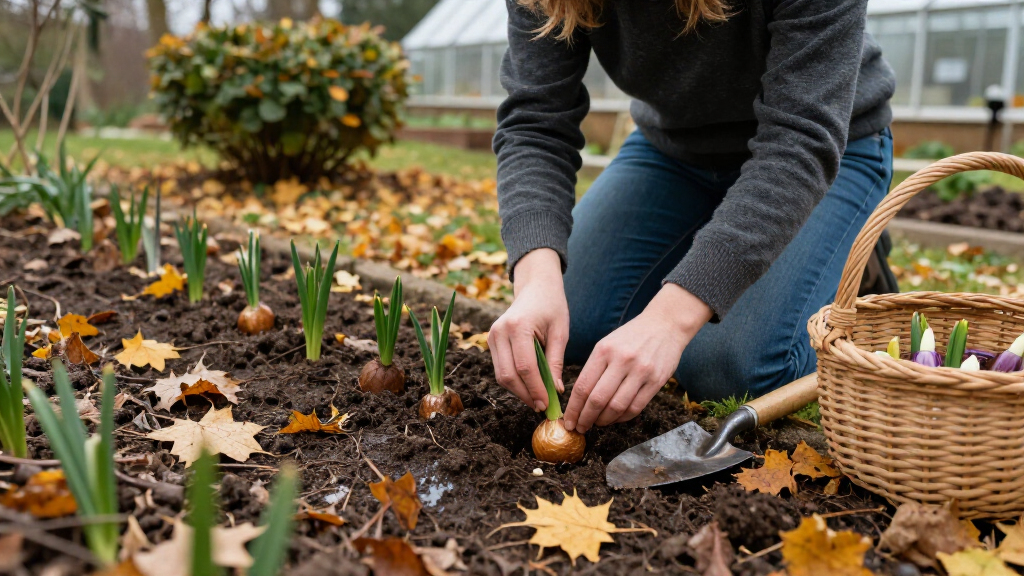
Spring-flowering bulbs are planted in fall so they can establish roots before winter, the report says. October is the focus of this guide, which urges gardeners to choose varieties for the conditions available rather than relying on a single planting recipe. It identifies borders, containers and lawns as possible settings, depending on the plant.
The article names three of its featured groups in the supplied material: parrot tulips, double anemones and ornamental alliums. The headline promises nine bulbs, but the source excerpt provided here does not include the remaining six entries. It also mentions newer varieties and specific commercial planter products, but offers no independent product assessment.
“The trick is to choose the right bulb for the right spot and give them conditions they naturally enjoy.”
— Gardening Know How
Limits of the Planting Advice
The supplied excerpt does not name all nine bulbs or give a publication date, and it does not establish how reliably the varieties perform across different regions. The growing zones and conditions quoted in the report are guidance from the source, not a guarantee of results in a particular garden.
It is also unclear whether the guide’s varieties were tested together or compared with more common bulbs. The article describes some as returning year after year under suitable conditions, but its own cautions show that outcomes can depend on climate, drainage and exposure.
Choosing Bulbs Before Planting
Gardeners considering the varieties can use the guide’s listed growing conditions to check whether their planting site is sunny, sheltered and well drained where needed. For anemone corms, the article advises rehydrating them before planting; for alliums, it recommends watering them in and then limiting further watering unless weather is unusually dry.
The next practical milestone is the spring flowering period, when gardeners can see how the bulbs perform in their own conditions. The source provides no later update or independent results, so repeat flowering and the strength of the display remain dependent on local growing conditions.
Key Questions
Which bulbs does the supplied guide excerpt discuss?
It covers parrot tulips, double anemones and ornamental alliums. Although its headline refers to nine bulbs, the supplied excerpt does not show the other six entries.
Why does the guide focus on October planting?
It says fall planting gives bulbs time to settle and establish roots before winter. The excerpt does not specify a single planting date that suits every climate.
How should double anemone corms be prepared?
The report advises soaking dry corms in tepid water for up to 24 hours before planting. It also recommends a sheltered site with fertile, very well-drained soil.
Will the featured bulbs return every spring?
The guide says some bulbs can return year after year when grown in suitable conditions, but it does not guarantee this for every variety or garden. It specifically notes that parrot tulips may repeat less reliably in hot, humid summers.
Source: rss
Fall yard work Picks
leaf blowers
As an affiliate, we earn on qualifying purchases.