
TL;DR
Prime for Young Adults — start your free trial
Fast free delivery, streaming and member deals for eligible 18–24 year olds.
Try it freeAs an affiliate, we earn on qualifying purchases.
Gardening interest in collecting seeds from public plants is rising, but legal rules vary by location. This article clarifies what is permitted, what claims exist, and why understanding these regulations is important for gardeners.
Legal restrictions on collecting seeds from public plants vary widely across jurisdictions, but generally, taking seeds from publicly accessible plants without permission may be illegal or subject to specific rules, according to gardening authorities. This issue has gained attention as interest in seed saving and self-sufficient gardening increases among enthusiasts.
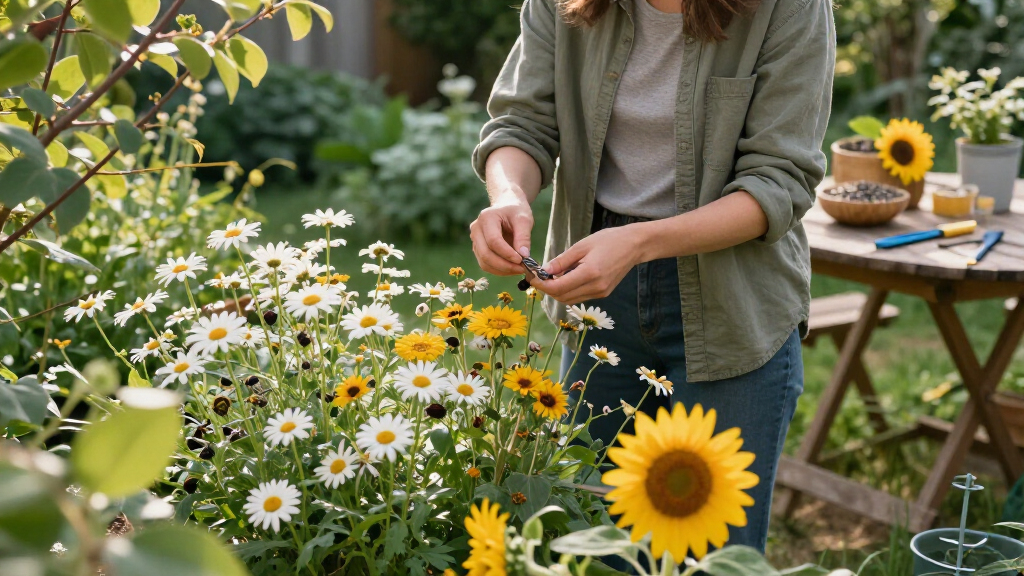
While many gardeners are curious about harvesting seeds from plants in parks, community gardens, or roadside areas, the legality of doing so depends on local laws and property rights. In some regions, plants growing in public spaces are considered state or municipal property, and removing seeds could be viewed as theft or trespassing. Conversely, in other areas, plants in public spaces are deemed fair game for seed collection, especially if the plants are not protected or marked as protected species.
Legal experts emphasize that there is no universal rule, and laws can differ significantly between countries, states, and municipalities. For example, some jurisdictions explicitly prohibit removing plant material from public lands without permission, while others lack clear statutes, leaving it to local authorities or courts to interpret intent and property rights. Additionally, certain protected species or heritage plants may be off-limits regardless of location.
Claims within gardening communities suggest that seed collection from public plants is a common practice, but legal advice varies. Some conservation groups warn that unauthorized seed gathering could harm local ecosystems or violate conservation laws, especially if the plants are rare or endangered. It is advisable for gardeners to check local regulations and seek permission when possible before collecting seeds from public plants.
Legal Implications for Gardeners Collecting Seeds
This issue matters because unintentional violation of local laws can lead to fines, legal action, or damage to community relations. As gardening and seed saving grow in popularity, understanding the legal boundaries helps prevent conflicts with authorities and preserves access to public green spaces. It also raises broader questions about property rights, conservation, and community stewardship of shared environments.
As an affiliate, we earn on qualifying purchases.
Legal and Cultural Variations in Seed Collection Rules
The question of whether gardeners can legally take seeds from public plants is not new but has gained renewed attention amid rising interest in sustainable gardening and seed sovereignty. Historically, laws concerning plant collection have been shaped by property rights, conservation efforts, and local customs. In some countries, seed collection from public spaces is common and accepted, while in others, it is strictly regulated or prohibited. Recent coverage spikes reflect a broader societal debate about access to natural resources and the rights of individuals versus community or state ownership.
Legal frameworks are often ambiguous, with some regions having specific statutes about plant harvesting, while others rely on general property or environmental laws. The lack of uniform rules complicates advice for gardeners and prompts calls for clearer regulations or guidance from authorities.
As an affiliate, we earn on qualifying purchases.
Legal Clarity and Enforcement Varies Widely
It is not yet clear how consistently laws are enforced across different regions, and whether authorities actively pursue violations related to seed collection from public plants. Many laws are ambiguous, and local enforcement practices may differ, leading to confusion among gardeners about what is legally permissible.
plant identification and protection guides
As an affiliate, we earn on qualifying purchases.
As an affiliate, we earn on qualifying purchases.
Potential for Clearer Regulations and Public Guidance
Legal authorities and gardening organizations may develop clearer guidelines or regulations in response to rising interest in seed saving. Gardeners are advised to stay informed about local laws, seek permissions where possible, and advocate for transparent rules that balance conservation, property rights, and community access. Future developments could include official permits or designated seed collection zones in public spaces.
gardening permission and legal guidebooks
As an affiliate, we earn on qualifying purchases.
As an affiliate, we earn on qualifying purchases.
Key Questions
Is it legal to take seeds from plants in public parks?
Legality varies by location; some areas prohibit it without permission, while others do not have specific laws. Always check local regulations before collecting seeds.
Can I collect seeds from protected or rare species in public spaces?
No. Collecting seeds from protected or endangered species is generally illegal and can lead to fines or legal action, regardless of location.
Do I need permission to harvest seeds from community gardens?
Yes. Even in community gardens, it is best to obtain permission from the owner or managing organization before collecting seeds.
Are there any risks in collecting seeds from public plants?
Aside from legal issues, collecting seeds without proper knowledge can harm plant populations or ecosystems, especially if done excessively or from rare species.
What should I do if I want to harvest seeds legally?
Check local laws, seek permission from property owners or authorities, and consider conservation guidelines to ensure sustainable practices.
Source: rss
NFL season / tailgating Picks
team gear
As an affiliate, we earn on qualifying purchases.