
TL;DR
Organizing garden tools boosts efficiency and extends tool lifespan. Use space-saving, weatherproof, and accessible storage options, and stay ahead with recent innovations like modular systems and eco-friendly materials.
Ever opened your shed and felt overwhelmed by a jumble of tangled hoses, dusty rakes, and rusty shovels? That chaos wastes your time and risks damaging your tools. The good news is, a well-organized garden tool storage system can turn that clutter into a sleek, accessible workspace. Whether you have a tiny balcony or a sprawling backyard, smart storage makes gardening more enjoyable and less frustrating.
In this guide, you’ll learn how to maximize space, choose the right storage options, and keep your tools in tip-top shape. Better organization isn’t just about neatness—it’s about saving time, protecting your tools, and making gardening a true pleasure.
Choose weatherproof, secure storage to protect tools and extend their lifespan.
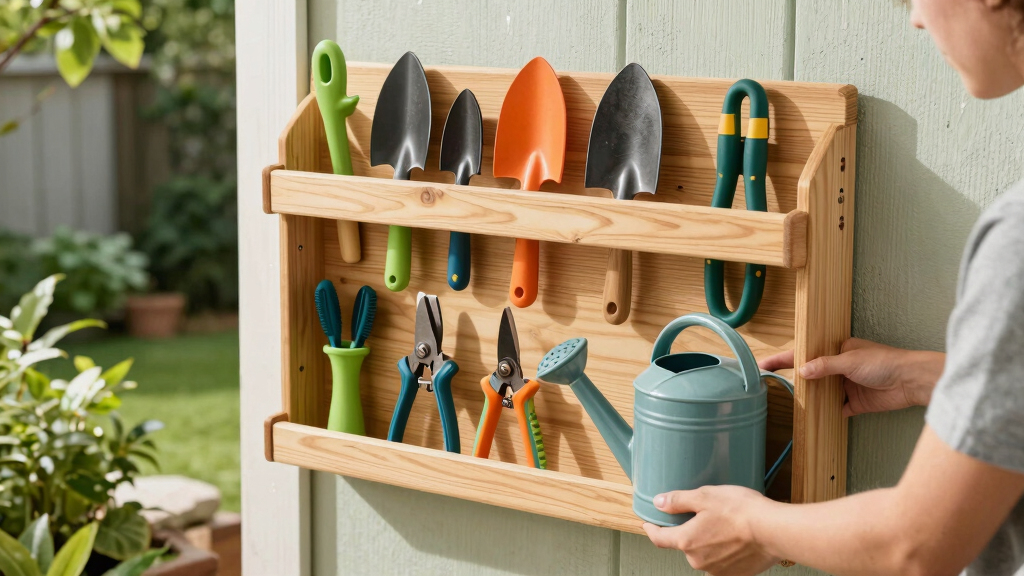
Use vertical solutions like pegboards and wall-mounted racks to save space and increase visibility.
Regularly clean and dry tools before storage to prevent rust and damage.
Keep sharp tools out of children’s reach using lockable cabinets or safety clips.
Mix eco-friendly materials and smart tech for a sustainable, efficient storage system.
How to Choose the Perfect Storage Space for Your Garden Tools
The first step? Pick the right spot. Think about accessibility, weather protection, and space. A dedicated shed or a corner of your garage works well, but even a sturdy outdoor cabinet can do the trick. The key is to keep tools dry, safe, and easy to reach. For example, a 6×8-foot shed with a vent and lock provides a safe, weatherproof home for tools and supplies.
Look for a space that’s close to your gardening area, so you don’t waste time walking back and forth. If space is tight, vertical storage options like wall-mounted racks can free up ground space and keep tools visible.
Choosing the right storage location is crucial because it directly impacts the longevity of your tools and the ease of your gardening routine. A poorly chosen location—such as one exposed to excessive moisture or far from your garden—can lead to faster rusting, damage, and frustration. Conversely, a well-placed, protected storage area makes it simple to grab what you need and ensures your tools stay in prime condition for years to come. Consider the tradeoff between convenience and protection; sometimes a slightly more distant but better-protected spot is worth the extra steps.
weatherproof garden tool storage shed
As an affiliate, we earn on qualifying purchases.
As an affiliate, we earn on qualifying purchases.
5 Space-Saving Storage Ideas That Actually Work
When it comes to saving space, vertical solutions are your best friends. Here are five ideas:
- Wall-mounted pegboards: Hang tools by size or type, keeping everything in view. This not only saves space but also allows you to organize tools by frequency of use or function.
- Overhead racks: Store larger items like ladders or long-handled tools up high, freeing floor space. This approach maximizes unused vertical space but requires sturdy mounting and weight considerations to prevent accidents.
- Shelving units: Use sturdy shelves for pots, fertilizers, and smaller hand tools. Shelving creates multiple levels, reducing clutter and making it easier to categorize items for quick access.
- Rolling carts: Combine storage with mobility—roll your tools right where you need them. This flexibility is especially helpful in dynamic gardening tasks or small yards where space is limited.
- Magnetic strips: Secure metal tools like pruners and screwdrivers on a magnetic strip attached to the wall. This keeps essential tools visible and within reach, reducing the chance of losing small items.
Imagine a tight corner transformed into a sleek, organized zone with a pegboard and a rolling cart—tools at your fingertips, clutter out of sight. These solutions are practical, but their effectiveness depends on understanding the tradeoffs: wall-mounted options require mounting surfaces, overhead racks need sturdy installation, and mobility might sacrifice some storage capacity. Selecting the right combination depends on your specific space, tool collection, and gardening habits.
wall-mounted garden tool rack
As an affiliate, we earn on qualifying purchases.
As an affiliate, we earn on qualifying purchases.
Comparison Table: Storage Options for Garden Tools
| Storage Type | Best For | Pros | Cons |
|---|---|---|---|
| Pegboards | Small to medium tools, easy access | Visually clear, customizable, affordable | Limited weather resistance, needs mounting surface |
| Weatherproof Shed | All tools, outdoor protection | Durable, protects from elements, secure | Costly, takes space |
| Rolling Cart | Mobility, quick access | Flexible, portable, multi-functional | Requires space to store when not in use |
| Wall-mounted Racks | Long-handled tools, hoses | Space-efficient, keeps tools visible | Wall strength limits weight |
| Labeled Bins | Small accessories, seeds, fasteners | Organized, easy to find | Can become cluttered without regular tidying |
Pick the right combo based on your tools and space. Many gardeners combine a weatherproof shed with pegboards and labeled bins for a total system. Understanding the strengths and limitations of each option helps you tailor a storage plan that balances accessibility, protection, and space efficiency. For example, combining a sturdy shed with wall-mounted racks and labeled bins can create a comprehensive, adaptable system that keeps everything organized and protected, but it’s essential to weigh the initial investment and space requirements against your actual needs.
outdoor garden tool cabinet lockable
As an affiliate, we earn on qualifying purchases.
As an affiliate, we earn on qualifying purchases.
How to Keep Garden Tools Rust-Free and Last Longer
Rust is every gardener’s enemy. To keep tools in prime condition, store them in a dry, well-ventilated space. Wipe off dirt and moisture after each use, and apply a light coat of oil to metal parts periodically. For example, a gardener in Minnesota reports that storing tools in a heated shed cut rust damage by 50%.
Use weatherproof storage sheds or cabinets with sealed doors to prevent moisture intrusion. Adding silica gel packs or desiccant bags inside can absorb excess humidity, extending your tools’ life. These measures are especially important in humid climates or areas with significant temperature fluctuations, where moisture can quickly lead to corrosion if not properly managed.
Also, organize tools by type—pruning shears separate from shovels—so you can quickly spot and maintain each one. Regularly cleaning and drying your tools before storage keeps them rust-free and ready for the next project. Incorporating these practices ensures that your tools remain in optimal condition, reducing replacement costs and maintaining their effectiveness over time.
vertical garden tool organizer pegboard
As an affiliate, we earn on qualifying purchases.
As an affiliate, we earn on qualifying purchases.
Safety First: Store Sharp Tools Out of Kids’ Reach
Sharp tools like pruning shears and loppers should be stored securely—out of children’s reach and sight. Use lockable cabinets or wall-mounted magnetic strips with safety covers. Imagine a parent installing a lockable cabinet and attaching scissors and shears with child-proof clips—peace of mind in a busy yard.
Always keep blades closed or covered with protective sheaths. Label storage areas clearly, so everyone in the family knows where the dangerous tools are kept. Safety is about preventing accidents and protecting little explorers from harm. Considering the tradeoff between convenience and security, investing in lockable storage options may cost more initially but provides peace of mind and reduces risk, especially in households with young children or curious visitors.
Eco-Friendly and Smart Storage Ideas for a Greener Garden
Eco-conscious gardeners love storage solutions that are sustainable. Recycled plastic bins, sustainably sourced wooden racks, and weather-resistant composites reduce environmental impact. For example, a gardener in Oregon-built a garden shed from reclaimed wood, saving money and the planet.
Smart storage options include modular units with RFID tags to track supplies or solar-powered LED lights inside sheds for visibility at night. These innovations make gardening smarter and greener. Incorporating eco-friendly materials often involves considering tradeoffs such as durability versus sustainability and initial costs versus long-term savings. For instance, reclaimed wood may be more environmentally friendly but may require extra maintenance, whereas weather-resistant composites might cost more upfront but last longer with less upkeep.
Combine eco-friendly materials with vertical storage to save space and reduce clutter. Your garden can be both beautiful and sustainable, starting with how you store your tools.
Frequently Asked Questions
What are the best storage options for small garden tools?
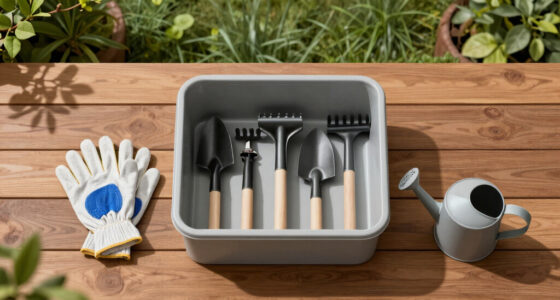
Small tools like hand pruners, trowels, and seed packets fit well in labeled bins, wall-mounted pegboards, or small tool caddies. These keep everything visible and within arm’s reach, saving you time and preventing lost tools.
How can I organize my tools to prevent rust and corrosion?
Store tools in a dry, ventilated space—preferably a weatherproof shed or cabinet. Wipe tools after use, apply a thin coat of oil, and add silica gel packs to absorb humidity. Regular maintenance keeps tools rust-free and ready for action.
What are some space-saving storage ideas for limited outdoor areas?
Vertical storage is your best friend: wall-mounted racks, pegboards, hanging hooks, and over-the-door organizers. Portable rolling carts also help keep tools mobile and out of the way, making the most of small outdoor spaces.
How do I choose a weatherproof storage shed?
Look for sheds with sealed doors, good ventilation, and durable, weather-resistant materials like resin or treated wood. Consider size based on your tool collection, and check reviews for durability and security features.
Are there eco-friendly storage options available?
Yes. Recycled plastic bins, sustainably sourced wood, and weather-resistant composites are eco-friendly choices. Building from reclaimed materials or opting for modular, low-impact designs helps reduce your footprint.
Conclusion
A tidy garden starts with smart storage. Invest a little time now to organize your tools — it pays off in saved time, longer-lasting equipment, and peace of mind. Your garden will thank you with a cleaner, safer, more enjoyable space.
Remember, the right storage isn’t just a box or a shelf. It’s a game-changer for your gardening success. So, which solution will you try first?