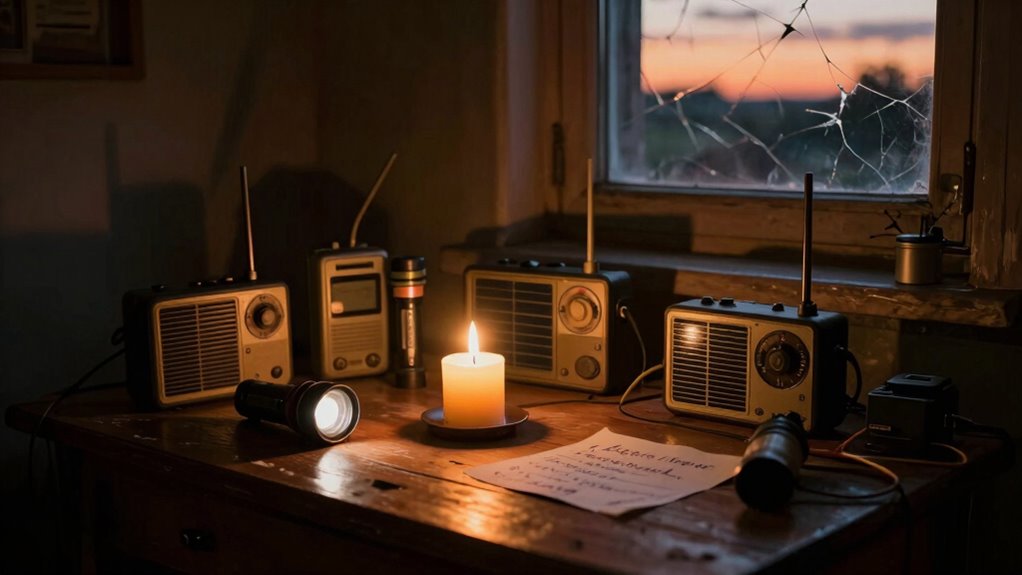

In a power outage, focus on maintaining safety by prioritizing heat, light, and communication. Keep warm with layers and blankets, using candles or solar lights cautiously to avoid fire hazards. Conserve devices by turning off unused electronics and using backup power sources for essential communication. Stay connected with neighbors and plan communication methods ahead of time. Managing these basics effectively helps you stay safe and in control. Keep exploring how to optimize your response; it’s easier than you think.

Get garden gear delivered free — and shop member deals
- Fast, free delivery on millions of items
- Access to Prime Big Deal Days deals on October 6–7
- Prime Video, Amazon Music and more included
Key Takeaways
- Prioritize keeping warm with layered clothing and blankets before focusing on lighting or communication.
- Use safe, alternative light sources like candles or solar lights for essential visibility.
- Maintain charged communication devices and establish a plan with neighbors for information sharing.
- Conserve energy by turning off unused devices and rationing supplies to prolong availability.
- Follow safety guidelines when operating heaters, generators, or fires to prevent hazards.
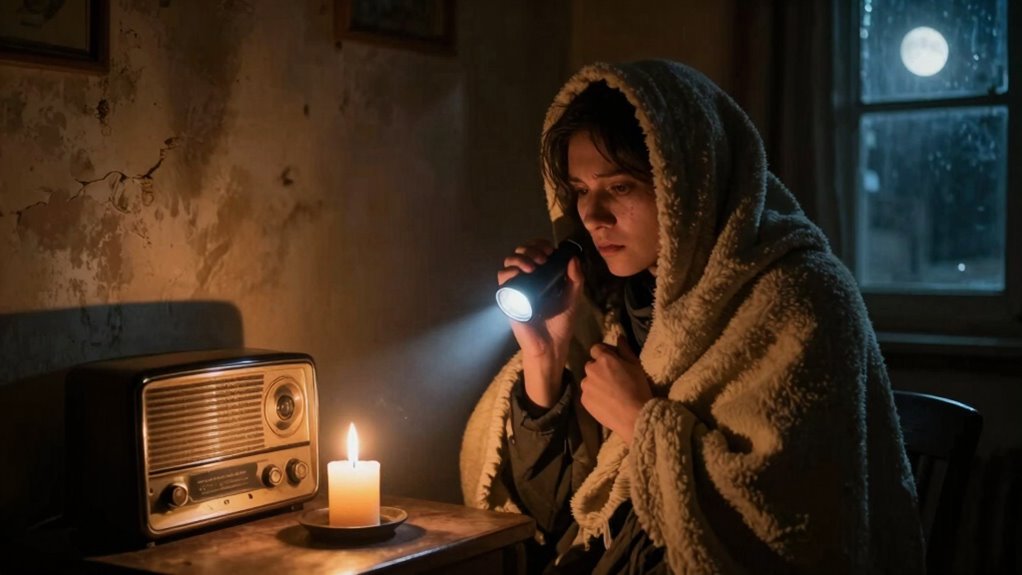
When power outages strike unexpectedly, it’s vital to focus on the essentials to keep yourself safe and comfortable. Your first priority should be establishing a reliable way to signal for help if needed. Emergency signaling becomes crucial, especially if you’re in an area where help might take time to arrive. Keep a whistle, flashlight, or mirror handy—these tools can draw attention without relying on electricity. If you’re in a group, agree on signals beforehand so everyone understands how to alert others in case of an emergency. Using visual signals like flashing lights or reflective surfaces is effective in low visibility situations. Remember, clarity and consistency in signaling can save lives.
Prioritize emergency signaling with whistles, flashlights, or mirrors to ensure safety during unexpected power outages.
Resource management also plays a vital role in maintaining safety and comfort. Conserve your battery-powered devices and other supplies, especially if the outage lasts longer than expected. Use flashlights and battery-powered lamps sparingly, turning them off when not in use to prolong their life. Ration your food and water supplies carefully, prioritizing those that are essential. If you have a generator, operate it efficiently and only when necessary, making sure to follow safety guidelines to prevent carbon monoxide buildup. It’s wise to keep a stock of non-perishable food, water, and basic hygiene supplies so you’re not scrambling for essentials during an extended outage. Additionally, understanding emergency preparedness can help you better plan for such situations and ensure you’re ready when needed. Building your resilience by practicing these preparations can make a significant difference in how effectively you respond. Familiarizing yourself with emergency protocols and incorporating preparedness strategies can further enhance your ability to respond quickly and effectively during a crisis. Developing a communications plan with neighbors or family members ensures everyone stays informed and connected during a blackout.
Heating, light, and communication are interconnected, and managing these basics effectively helps you maintain control over the situation. For heat, layer clothing and use blankets to stay warm—avoid overusing fires or portable heaters without proper ventilation. For light, consider alternative sources like candles or solar-powered lights, but always be cautious of fire hazards. When it comes to communication, rely on battery-powered devices, walkie-talkies, or even neighbors to exchange information. It’s important to keep your phone charged as long as possible and to have backup power sources if available. Staying informed about the outage’s status and potential recovery times helps you plan your next steps more effectively.
As an affiliate, we earn on qualifying purchases.
Frequently Asked Questions
What Are the Best Alternative Energy Sources During a Power Outage?
During a power outage, the best alternative energy sources are renewable options like solar panels and wind turbines, which can keep your off-grid systems running efficiently. These sources provide sustainable power without relying on the grid, ensuring you have heat, light, and communication when needed. Investing in portable solar chargers or small wind turbines can give you reliable backup energy, helping you maintain essential functions during extended outages.
How Can I Efficiently Store Heat for Long-Term Use?
You can efficiently store heat long-term by using thermal insulation around your heat source, such as insulated containers or thermal mass materials like concrete or stone. These materials help maximize heat retention, preventing heat loss over time. You might also consider phase change materials that absorb and release heat gradually. Regularly maintaining and properly sealing your insulation guarantees your stored heat stays effective for extended periods.
What Are Simple Ways to Stay Informed Without Electricity?
You can stay informed without electricity by using traditional methods like battery-powered or hand-crank radios, which are reliable for emergency updates. Investigate the theory that solar lighting can also power small radio devices, making communication even more sustainable. Keep a backup supply of batteries and consider solar-powered radios. This way, you guarantee access to news and essential information, even when power sources are unavailable.
How Do I Maintain Communication With Loved Ones Without Power?
You can maintain communication by keeping your emergency contact list handy and updating it regularly. Use signal devices like whistles, mirrors, or flashlights to attract attention if needed. Check in with loved ones regularly through text messages or calls when possible, and establish a designated meeting point. These simple steps guarantee you stay connected and safe, even when the power’s out.
What Safety Precautions Should I Take When Managing Limited Resources?
You should prioritize resource conservation by using supplies efficiently and avoiding waste, especially for essentials like water and fuel. Keep emergency preparedness in mind by storing extra resources safely and knowing how to ration them. Always have a plan for limited resources, such as borrowing or sharing with neighbors when possible. Regularly check your supplies to guarantee they’re usable, and stay informed on safety guidelines to prevent accidents during shortages.
As an affiliate, we earn on qualifying purchases.
Conclusion
When the lights go out and power fails, remember that even Atlas would set down his burden if it meant restoring what sustains us. Prioritize heat, light, and communication—your modern-day pillars—like a captain steering through a storm. In these moments, channel the resilience of those who faced darkness before you. By valuing the basics, you reclaim your strength, knowing that from chaos, clarity and connection can still emerge—echoes of ancient endurance guiding your way.
As an affiliate, we earn on qualifying purchases.
As an affiliate, we earn on qualifying purchases.
Fall yard work Picks
leaf blowers
As an affiliate, we earn on qualifying purchases.