
To guarantee your pet stays hydrated during emergencies, plan ahead by storing enough clean water—about one ounce per pound of your pet daily—and keep it in labeled, sturdy containers that are regularly refreshed. Use portable bowls or collapsible containers during outings or evacuations, and consider water purification options like filters or tablets for backup. Good water management supports your pet’s health and safety; learn more to keep their hydration secure in any situation.
Key Takeaways
- Store at least one ounce of water per pound of your pet daily, replenishing regularly to prevent contamination.
- Use durable, labeled containers for emergency water storage, and include portable bowls for immediate access.
- Plan for several days’ supply, considering increased needs during stress or heat.
- Identify local water sources and carry purification methods for replenishing supplies if needed.
- Regularly review and update your water plan, ensuring sanitation and easy access during emergencies.
During emergencies, guaranteeing your pets have access to clean water is just as essential as safeguarding their food and shelter. Pet hydration becomes a critical concern because dehydration can quickly threaten your pet’s health, especially in stressful or unstable situations. Having a plan for emergency water storage means you’re prepared to keep your pets hydrated even if the usual water sources become unavailable. The key is to think ahead and create a reliable system that provides safe, fresh water during crises like storms, power outages, or natural disasters.
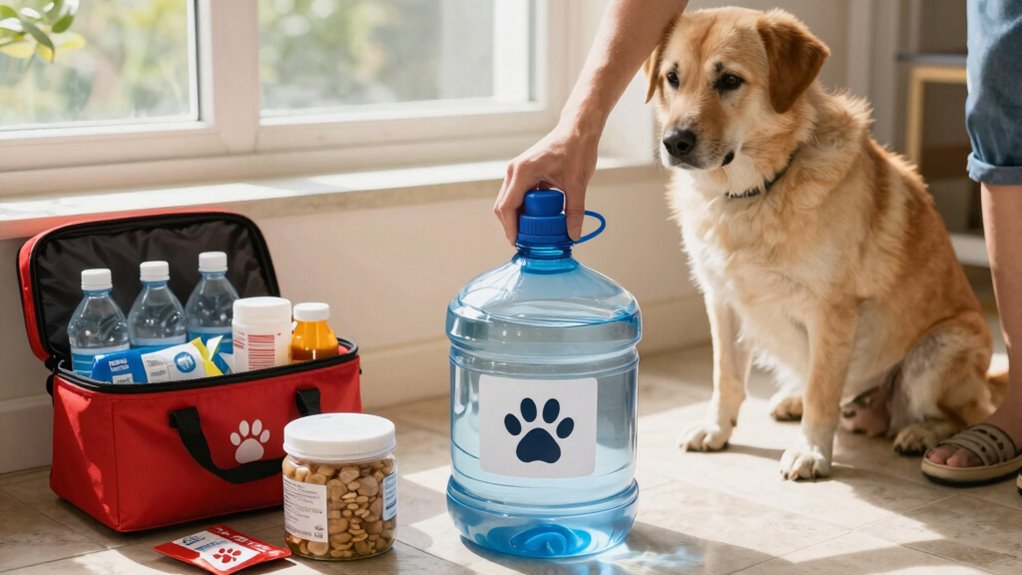
Start by storing enough water to meet your pet’s needs for several days. A good rule of thumb is to have at least one ounce of water per pound of your pet’s body weight daily. For example, if your dog weighs 50 pounds, plan for a minimum of 50 ounces of water each day. Keep this water in clean, sturdy containers that are easy to access and label them clearly as pet water. Consider using BPA-free bottles or bowls designed specifically for pet use. Remember, water quality is paramount; replace stored water regularly to prevent bacterial growth and contamination. You don’t want to rely on stale or unsafe water during a crisis.
Store several days’ worth of water, at least one ounce per pound of your pet’s weight daily, in labeled, clean containers.
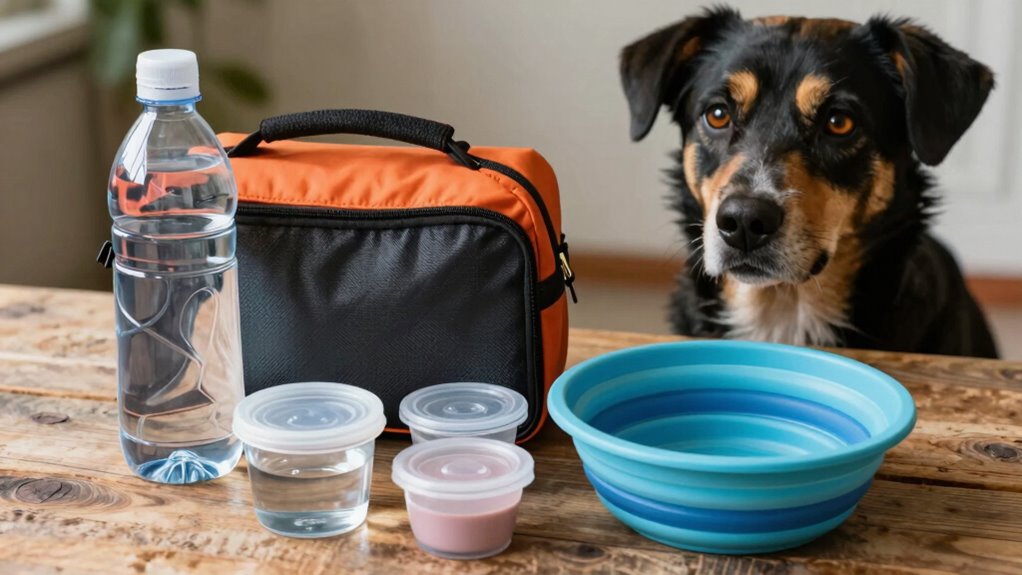
In addition to your main emergency water supply, keep a portable water container or collapsible bowl handy. This allows you to quickly provide water during outings or if you need to evacuate your home. During emergencies, your pet’s hydration needs might increase due to stress, activity, or heat, so ensure your water supply exceeds normal requirements if possible. Maintaining a water storage routine that includes checking and replenishing your emergency water storage regularly, especially when preparing for potential emergencies. Proper water storage and sanitation are crucial to prevent contamination and ensure safety. Additionally, understanding how to maintain water quality can help ensure your pet’s water remains safe over time. Developing a plan for contingency water sources, such as knowing how to access community water points or portable filtration options, can further enhance your preparedness. It’s also beneficial to familiarize yourself with emergency water sources in your community, so you’re prepared to access additional supplies if needed.
It’s also wise to have a backup plan for acquiring more water if your supplies run low. Know where nearby sources of clean water are, such as community centers, shelters, or public water stations, and consider carrying a water purification method like tablets or filters. This way, if your stored water runs out, you can replenish supplies safely. Remember, staying calm and organized will help you manage your pet’s hydration needs efficiently during stressful times. Your preparedness not only protects their health but also gives you peace of mind, knowing you’ve taken steps to ensure your pet’s safety in an emergency. Proper water planning is an essential part of your overall emergency readiness, and it’s something you can set up now, so you’re ready when it matters most.
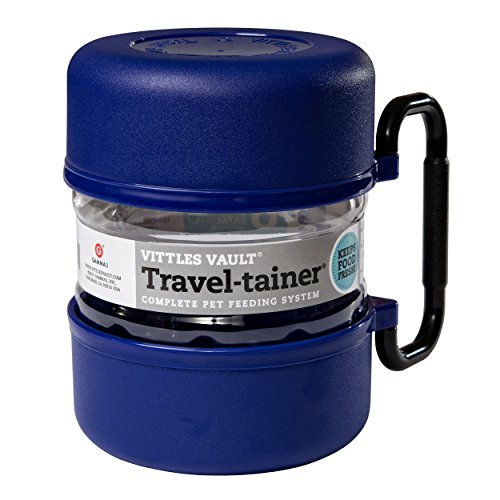
Gamma2 Vittles Vault Travel-Tainer Food Storage Container, Blue, 6 Cups
- Portable Pet Food Storage: Keeps pet food fresh on the go
- Multi-Functional Design: Transforms into feeding and watering system
- BPA Free Material: Made from safe, BPA-free plastic
As an affiliate, we earn on qualifying purchases.
As an affiliate, we earn on qualifying purchases.
Frequently Asked Questions
How Much Water Should I Store for Each Pet?
You should store at least one gallon of emergency water for each pet daily, enough to keep them hydrated for three to seven days. Consider their size and breed, as larger pets need more water. Pet hydration is vital during emergencies, so include fresh water in your emergency water storage plan. Regularly check and replenish your supplies to guarantee your pets stay safe and hydrated in any crisis.
Can I Use Tap Water for Emergency Pet Supplies?
Yes, you can use tap water for emergency pet supplies, but think of it as a life-saving potion for your furry friend’s hydration. While tap water usually meets water safety standards, it’s wise to let it sit for a few minutes or run it through a filter, especially in older or questionable plumbing. Prioritize safe water to guarantee your pet stays hydrated and healthy during emergencies.
How Long Can Pets Survive Without Water During an Emergency?
Pets can typically survive about three days without water, but this varies based on their size, age, and health. Hydration importance is vital, especially during emergencies. To guarantee your pets stay safe, have emergency water sources ready, like bottled water or stored tap water. Regularly check and replenish supplies, and remember, prompt access to water helps prevent dehydration and keeps your pets healthy during stressful situations.
What Are Portable Water Options for Pets?
You should consider portable hydration options like pet water containers that are easy to carry and refill. Collapsible bowls or bottles with built-in dispensers work well for on-the-go hydration. Keep a few in your emergency kit for quick access. These pet water containers guarantee your pet stays hydrated during emergencies, preventing dehydration and stress. Always check that the containers are clean and filled with fresh water before heading out.
How Often Should I Replenish Stored Water for Pets?
You should replenish your pet’s stored water every six months to guarantee fresh hydration. Ironically, in emergencies, you might forget how vital proper hydration tips are, risking dehydration. Regularly check and replace emergency hydration supplies to prevent spoilage or contamination. Staying proactive with water replenishment keeps your pet safe and comfortable, especially when disaster strikes. Remember, a well-hydrated pet is a happy, resilient companion during stressful times.
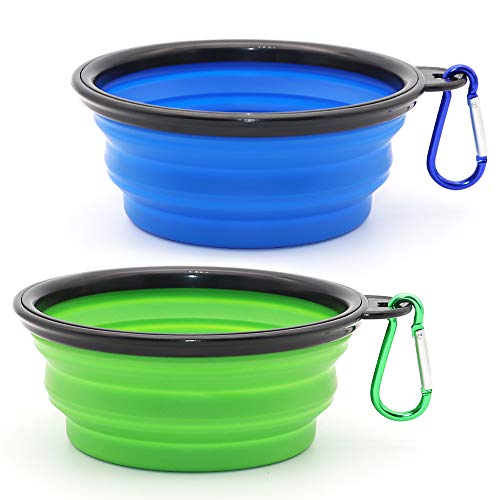
Dog Bowl Pet Collapsible Bowls, 2 Pack for Cats Dogs, Portable Pet Feeding Watering Dish for Walking Parking Traveling with 2 Carabiners (Small, Blue+Green)
- Space-Saving Collapsible Design: Easy to expand and fold for travel
- Lightweight and Portable: Fits in bags and attaches to gear
- Includes 2 Carabiners: Attach bowls to belts, backpacks, or leashes
As an affiliate, we earn on qualifying purchases.
As an affiliate, we earn on qualifying purchases.
Conclusion
Thinking ahead and planning for your pet’s water needs during emergencies isn’t just responsible — it’s essential. By preparing a supply and knowing what to do, you guarantee your furry friend stays safe and hydrated no matter what happens. So, aren’t they worth a little extra effort? Remember, your quick action can make all the difference in keeping your pet healthy and happy when it matters most. Are you ready to include them in your emergency plan?

Potable Aqua Water Purification Tablets With PA Plus – Two 50 count Bottles
- Includes two 50-count bottles: Potable Aqua and PA Plus tablets
- Purifies questionable water: Makes water bacteriologically safe in emergencies
- No iodine taste or color: Leaves water clean and clear when used properly
As an affiliate, we earn on qualifying purchases.
As an affiliate, we earn on qualifying purchases.
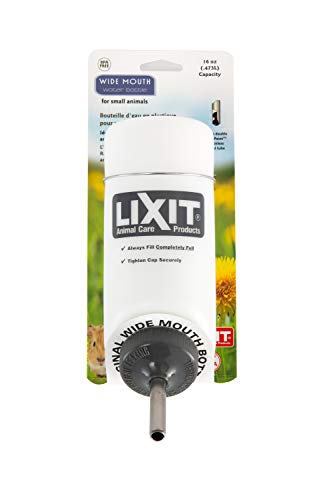
Lixit Pet Wide Mouth Water Bottle (16 oz), translucent, 8802
- Durable and chew-proof design: Chew proof and climb proof
- Easy to clean and fill: Wide mouth bottle
- Suitable for small animals: Mice, rats, hamsters, and more
As an affiliate, we earn on qualifying purchases.
As an affiliate, we earn on qualifying purchases.