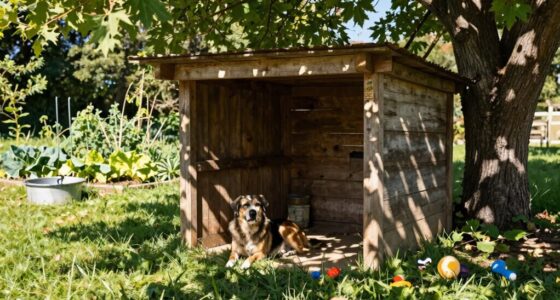
When you take your pet to a new environment, they often drink less because unfamiliar surroundings trigger stress and anxiety. New sights, sounds, and smells make them cautious, leading to instinctual responses that suppress their desire to hydrate. This behavior helps them stay alert for potential threats. If you want to learn how to encourage your pet to drink more in unfamiliar places, keep exploring ways that help reduce their stress and promote comfort.
Open a free Amazon Business account
Business pricing, bulk buying and tax-exempt orders.
As an affiliate, we earn on qualifying purchases.
Key Takeaways
- Pets instinctively reduce water intake in new environments to stay alert to potential threats.
- Anxiety and stress from unfamiliar sights and sounds suppress their desire to drink.
- Unfamiliar or noisy water bowls can discourage pets from drinking.
- Changes in routine and environment create caution, leading to decreased hydration.
- Supporting comfort and familiarity encourages pets to drink more in new settings.

Pets finding themselves in unfamiliar environments often drink less than they normally would at home. This change in behavior is a common response to new surroundings and can be influenced by various factors. You might notice your pet hesitating to hydrate as they usually do, which could be tied to their instinctual reactions to unfamiliar settings. Understanding why this behavior change occurs can help you better support your pet’s hydration needs during trips or visits to new places.
Environmental factors play a significant role in why your pet drinks less in new settings. When your pet enters an unfamiliar space, they become more aware of potential threats and unfamiliar stimuli. This heightened alertness can cause them to feel anxious or stressed, which suppresses their desire to drink. Noises, smells, and sights that are different from their normal environment can make them cautious or even fearful, leading to decreased water intake. Additionally, the placement and type of water sources can influence how comfortable your pet feels drinking. If the water bowl is unfamiliar or located in a noisy or busy area, your pet may avoid it altogether, further reducing their water consumption. Recognizing that stress responses can impact drinking behavior is crucial for managing their hydration. Moreover, understanding animal instincts related to environmental changes can help you anticipate their reactions and adapt accordingly.
Behavior change in such situations is natural, but it’s important to recognize that dehydration can develop if your pet consistently drinks less over extended periods. To mitigate this, you should try to create a sense of familiarity and comfort in new environments. Bringing along their regular water bowl or placing it in a quiet, accessible spot can encourage them to drink more. Keeping a routine as much as possible and offering water at regular intervals helps reinforce a sense of security. If your pet is anxious, calming techniques like gentle reassurance or familiar toys may reduce stress levels, encouraging healthier drinking habits. Creating a familiar environment can significantly help reduce anxiety and promote hydration.
Monitoring your pet’s behavior closely is essential, especially during travel or new visits. Watch for signs of dehydration, such as dry gums, lethargy, or loss of skin elasticity. If you notice your pet isn’t drinking enough despite your efforts, consult with your veterinarian. They can help identify underlying issues and suggest strategies to ensure your pet stays properly hydrated. Remember, environmental factors like noise, unfamiliar surroundings, and abrupt changes in routine contribute to behavior change, but with patience and thoughtful adjustments, you can help your pet feel more secure and encourage adequate water intake, regardless of where they are. Additionally, understanding caring for pets in new environments can equip you with better techniques to support their hydration and overall well-being.
As an affiliate, we earn on qualifying purchases.
Frequently Asked Questions
How Can I Encourage My Pet to Drink More in New Environments?
To encourage your pet to drink more in new environments, use hydration tips like offering fresh water frequently and providing a portable bowl or travel accessories designed for pets. Keep water accessible and appealing, and try to stay calm, as your pet senses your comfort. Bringing familiar items or using a spill-proof bottle can make them feel more secure, boosting their confidence to stay hydrated during travel or in unfamiliar settings.
Does Age Affect a Pet’s Willingness to Drink in Unfamiliar Places?
Yes, age influences your pet’s willingness to drink in unfamiliar places. Older pets often have different behavior patterns and may be more cautious, making them less likely to drink when environment factors are unfamiliar or stressful. You can help by gradually introducing new environments, offering fresh water, and providing comfort. Recognizing these age-related tendencies allows you to better support your pet’s hydration needs and confidence in new settings.
Are Certain Breeds More Prone to Drinking Less Away From Home?
Certain breeds are more prone to drinking less away from home because breed behavior influences hydration tendency. For example, some breeds with thick coats or anxious temperaments may feel more stressed in new environments, leading to reduced water intake. You’ll notice that breeds known for high energy or sensitivity might be more hesitant to hydrate properly outside familiar settings. Understanding these breed tendencies can help you encourage better hydration during outings.
What Signs Indicate Dehydration in Pets in Unfamiliar Settings?
Imagine your pet’s body as a once-vibrant garden wilting without water. Signs of dehydration include dry gums, sunken eyes, and lethargy, revealing symptoms of dryness that hint at trouble. You might notice a loss of skin elasticity or a sticky, tacky tongue. Stay vigilant—these clues signal your pet needs hydration. Recognizing these signs early keeps their garden lush and healthy, even in unfamiliar settings.
Can Dietary Changes Influence a Pet’s Drinking Habits When Traveling?
Yes, dietary preferences and hydration strategies can influence your pet’s drinking habits when traveling. Adjusting their diet to include more moisture-rich foods, like wet pet food, encourages hydration. Stick to familiar foods to reduce stress and maintain consistent hydration. Also, provide fresh water regularly and consider portable water bowls. These strategies help your pet stay hydrated even in unfamiliar settings, making travel safer and more comfortable for them.
As an affiliate, we earn on qualifying purchases.
Conclusion
Next time you take your pet somewhere new, remember they might drink less because of unfamiliar surroundings. This behavior isn’t just about curiosity—it’s a survival instinct, helping them stay alert and avoid potential threats. Did you know that studies show pets can reduce their water intake by up to 30% when in unfamiliar environments? Understanding this helps you better care for your furry friend, ensuring they stay comfortable and hydrated, even in new places.
As an affiliate, we earn on qualifying purchases.
As an affiliate, we earn on qualifying purchases.
Fall Picks
fall essentials
As an affiliate, we earn on qualifying purchases.