
In the first 24 hours of a power outage, prioritize safety by operating generators outdoors and avoiding indoor use. Gather essential supplies like flashlights, batteries, and non-perishable food, and access your emergency kit. Keep communication lines open with family and emergency contacts, using a battery-powered radio if needed. Limit unnecessary appliance use and conserve food in your fridge. For more tips on staying safe and prepared, keep exploring this guide.
Key Takeaways
- Prioritize safety: operate generators outdoors, away from windows, and never inside homes or garages.
- Prepare an emergency kit with essentials like flashlights, batteries, water, and non-perishable food.
- Maintain communication with family and emergency contacts; use battery-powered radios for updates.
- Keep refrigerator and freezer doors closed to preserve food during extended outages.
- Use generators carefully, powering only essential appliances and following safety guidelines to prevent hazards.
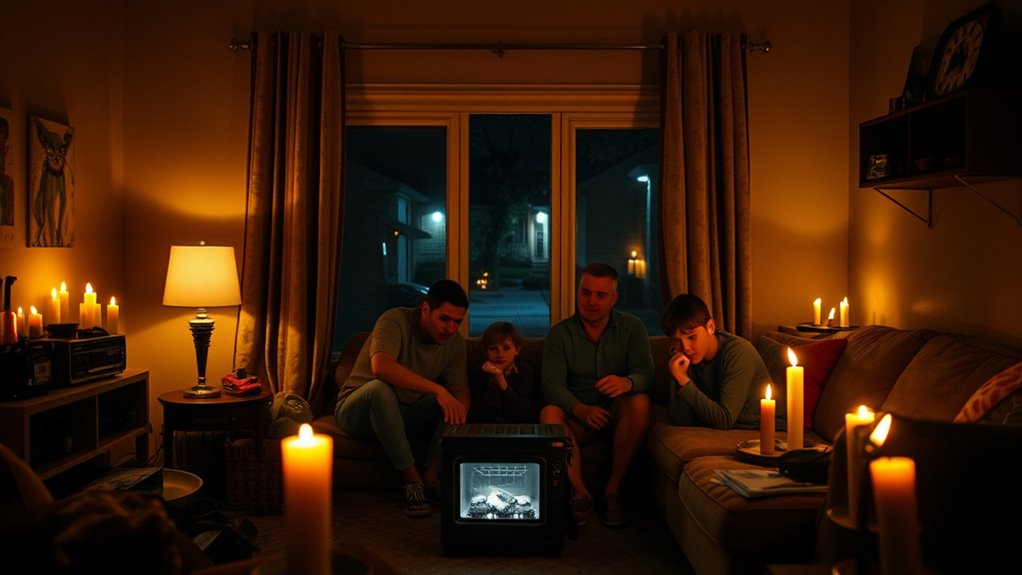
A power outage can strike unexpectedly, leaving you in the dark and unprepared. When the lights go out, your first priority is safety. If you have a generator, make sure you understand proper generator safety procedures before using it. Always operate your generator outdoors, away from windows and vents, to prevent dangerous carbon monoxide buildup. Never run it inside your home or garage, even if doors and windows are open. Keep your generator dry and protected from the elements, and use heavy-duty extension cords rated for outdoor use. Before starting the generator, double-check that it’s in good working condition and that you’re familiar with its operation. Having an emergency kit ready is essential. Your kit should include flashlights, batteries, bottled water, non-perishable food, a first aid kit, and any necessary medications. Keep it accessible and well-stocked so you can grab it quickly. As soon as the power goes out, turn off non-essential appliances to prevent power surges when electricity is restored. Avoid opening the refrigerator or freezer unless necessary; this helps maintain the cold temperature and preserves your food longer. If you rely on medical devices that need a power source, plan ahead by arranging a backup power solution or knowing where nearby facilities can assist if your equipment fails. Check your emergency kit for batteries and supplies, and replace anything that’s expired or used. Keep a list of emergency contacts handy, including local utility companies, emergency services, and nearby neighbors who might be able to assist. It’s also wise to have a battery-powered or hand-crank radio to stay informed about the outage and any updates from authorities. During the first hours, stay indoors as much as possible to avoid the risk of accidents or exposure to the elements. Use flashlights instead of candles to reduce fire hazards. If the outage lasts longer, consider using your generator carefully to power essential appliances, but always follow generator safety guidelines. Keep children and pets away from the generator and any other potentially dangerous equipment. Maintain communication with family members, and establish a meeting point if you’re separated. Restock your emergency kit as soon as power is restored, and review your outage plan to identify areas for improvement. Remember, preparedness is key to managing the first critical hours of a power outage safely and effectively. By understanding generator safety and having your emergency kit ready, you’re taking essential steps to protect yourself and your loved ones during unexpected blackouts. Additionally, choosing the right Home Theatre Projector can help you create a comfortable and enjoyable indoor environment during extended outages or bad weather.

DEWALT 20V MAX Cordless Drill and Impact Driver, Power Drill Brushless 2-Tool Power Tool Combo Kit, Includes 2 Batteries, Charger and Bag (DCK277D2)
- Compact Size: 7.6-inch lightweight design for tight spaces
- Ergonomic Grip: Comfortable, balanced control for extended use
- Bright LED Light: Illuminates work area with 20-second delay
As an affiliate, we earn on qualifying purchases.
Frequently Asked Questions
How Can I Prevent Power Outages in My Home?
To prevent power outages at home, you should focus on regular home electrical maintenance to identify and fix issues early. Install blackout prevention devices like surge protectors and automatic shutoffs to safeguard your system. Keep your electrical system updated and avoid overloading circuits. Regular inspections and maintenance reduce the risk of outages, ensuring your home stays powered smoothly and safely.
What Are the Signs of an Impending Blackout?
You notice subtle whispers from the power grid signals, like flickering lights or brief outages, hinting at an impending blackout. Weather warnings, especially storms or heavy winds, often serve as early indicators. Keep an eye on local alerts and monitor power fluctuations. When these signs align, prepare by securing essential supplies. Recognizing these signals helps you stay ahead, minimizing disruption and ensuring safety during potential outages.
How Do I Find Nearby Emergency Shelters?
To find nearby emergency shelters, check your community center or local resources like city or county websites. You can also call your local emergency services or use smartphone apps designed for disaster response. Look for signs or notices in your neighborhood, and stay connected through social media updates. Ensuring you’re aware of these locations helps you stay safe and prepared during power outages or other emergencies.
What Should I Do if Someone in My Family Is Stranded?
When someone in your family is stranded, think of yourself as their anchor in a storm. First, try to establish family communication through cell phones, radios, or social media. If they’re in a stranded vehicle, guide them to stay inside for safety and wait for emergency services. Keep calm, gather details about their location, and stay connected until help arrives, ensuring everyone feels supported and informed.
Are There Specific Supplies Recommended for Prolonged Outages?
For prolonged outages, you should stock up on essential supplies like bottled water, non-perishable food, and first aid kits. Consider alternative energy sources such as solar chargers or portable generators to keep your devices powered. A reliable power backup system guarantees you have electricity for critical needs. Keep flashlights, batteries, and warm clothing handy. Preparing these supplies helps maintain safety and comfort during extended power outages.
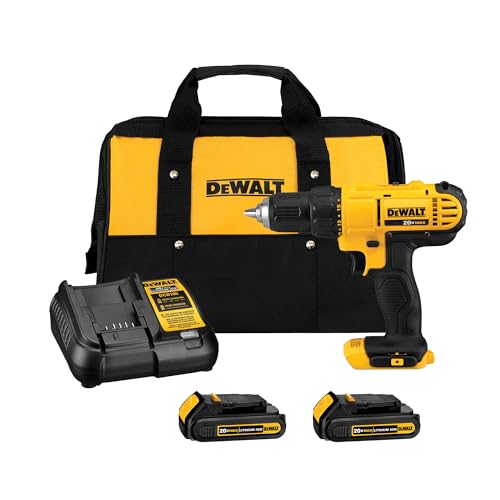
DEWALT 20V Max Cordless Drill Driver Set, 2 Speed, High Performance Motor, Includes 2 XR 1.3Ah Li-Ion Batteries, Charger and Contractor Bag (DCD771C2)
- Compact and Lightweight: Fits into tight spaces
- High Performance Motor: Delivers 300 UWO power
- Two-Speed Transmission: 0-450 and 1,500 rpm
As an affiliate, we earn on qualifying purchases.
Conclusion
Think of the first 24 hours like steering a ship through fog—you’ll need clear direction and calm resolve. Remember the story of a neighborhood that kept everyone safe by sticking to their plan during a blackout, proving teamwork and preparation matter. Power outages can feel overwhelming, but with a solid playbook, you’ll navigate the storm smoothly. Stay prepared, stay calm, and trust your plan—you’ll emerge stronger once the lights come back on.

DEWALT 20V MAX Cordless Drill Driver Set, Electric Drill, Brushless 1/2 In 2 Speed, 2.0 Ah Battery and Charger Included, LED Light (DCD777D1)
- Motor Type: Brushless motor for longer run time
- Size: Compact 7.6-inch design
- Design: Lightweight for easy handling
As an affiliate, we earn on qualifying purchases.

COOLJOB Gardening Gloves for Men, 2 Pairs Breathable Rubber Coated for Garden Weeding Landscaping, Outside Work for Lawn Yard, Men's Large Size, Black & Red
- Breathable and Comfortable Material: Red and black polyester base for breathability
- Long Cuffs and Elastic Wrist: Keeps dirt out and easy to wear
- Durable Rubber Coated Palm: Provides protection and non-slip grip
As an affiliate, we earn on qualifying purchases.